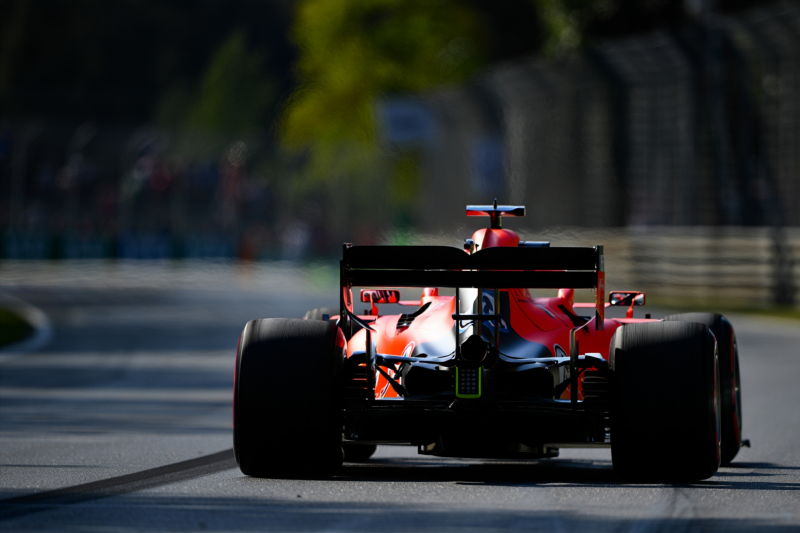
The 2025-26 regulation updates mark a pivotal chapter in Formula 1, reshaping the blueprint of car design and race strategy. These changes are not just tweaks—they represent a fundamental shift towards more sustainable, competitive, and technologically advanced racing. For teams, engineers, and fans alike, understanding how these regulation updates impact vehicle concepts is essential to appreciating the evolving landscape of F1. This article explores the core aspects of these regulation changes and their implications for car design, strategic planning, and overall competitiveness.
How Regulation Changes Drive Innovation in Car Concepts
Emphasis on Sustainability and Efficiency
One of the most significant shifts in the 2025-26 regulations is the increased focus on sustainable technologies:
- Advanced Hybrid Systems: Incorporation of more efficient energy recovery systems, emphasizing thermal and kinetic energy harvesting.
- Reduced Internal Combustion Dependency: Transition towards hybrid propulsion units that emphasize electric power, aligning with broader automotive industry shifts.
Impact on Aerodynamics and Downforce
New restrictions and aerodynamic standards are designed to promote safer and closer racing:
- Simplified Wing and Bodywork Designs: Limits on complex aerodynamic appendages encourage innovative airflow management within stricter parameters.
- Regulated Ground Effect: Introduction of ground effect measures to stabilize downforce, impacting overall car height and underbody design.
Material and Structural Regulations
Safety and weight considerations are now more intertwined with material choices:
- Lightweight but Strong Materials: Increased use of carbon composites and new structural materials to meet safety standards without sacrificing performance.
- Crash Structure Revisions: Enhanced safety zones requiring redesigns of the car’s frontal and side impact structures.
Strategic Evolution: How Teams Adapt to New Regulations
Chassis and Power Unit Development
Teams must now align chassis design with new hybrid specs:
- Customized Power Unit Tuning: Emphasis on maximizing energy recovery and deployment efficiency within stricter limits.
- Innovative Chassis Layouts: Designing for optimal airflow, stability, and component integration to comply with new dimensions and safety standards.
Innovation in Tire Strategy and Management
Regulation updates influence tire behavior and management strategies:
- Modified Tire Compounds and Structures: Adjustments to tire construction influence grip, degradation, and pitstop planning.
- Strategic Tire Usage: Teams develop new strategies based on altered tire wear patterns to exploit performance windows.
Race Strategy Adjustments
The regulation changes necessitate a rethinking of race tactics:
- Optimized Pitstop Strategies: New car behaviors and tire management lead to different pitstop timing and planning.
- Weather and Track Conditions: Improved understanding of how regulations influence car response in varying weather scenarios, affecting strategic decisions.
Staying Competitive in the Evolving Automotive Landscape
Continuous Development and Data Analysis
Success under the new rules hinges on real-time data tracking and predictive analytics:
- Telemetry-Style Insights: Monitoring car performance to adapt strategies dynamically during races.
- Trend Tracking: Evaluating seasonlong data to understand the effectiveness of design changes and strategic adjustments.
Compliance and Innovation Balance
Teams must balance innovation with strict compliance:
- Regulation Awareness: Constant updates and deep understanding of regulatory nuances to avoid penalties.
- Technological Leadership: Investing in cutting-edge research to push the boundaries within the new regulatory framework.
Frequently Asked Questions
How do the 2025-26 rule changes directly affect car performance?
The changes promote more sustainable, aerodynamically efficient, and safety-focused designs, which combined lead to cars that are more adaptable and potentially faster in certain conditions, but also require new strategies for optimal performance.
Will these regulations increase the cost of racing?
While initial R&D investment might rise due to new technologies and redesigns, the regulations encourage more sustainable and cost-effective engineering solutions long-term, fostering innovation without excessive expense escalation.
How can teams leverage these regulations to gain competitive advantage?
Teams that invest early in understanding and developing within the new regulations—through advanced data analysis, aerodynamic innovation, and strategic flexibility—can dominate races and secure seasonlong success.
The 2025-26 regulation updates fundamentally alter the racing landscape, demanding innovation in car concepts and strategic thinking. Teams that navigate these changes with agility, advanced data insights, and a commitment to sustainable engineering will not only ensure compliance but also unlock new levels of competitiveness. As the sport shifts towards greener technology and smarter racing, understanding these regulation impacts becomes crucial for fans and analysts aiming to decode the future of Formula 1.
YourStop F1 serves as the ultimate platform to decode these complex changes, translating technical regulation shifts into clear insights and smarter predictions. Follow us for race analysis, strategy breakdowns, and driver-focused insights as F1 continues to evolve into a more precise system of engineering excellence and human performance.