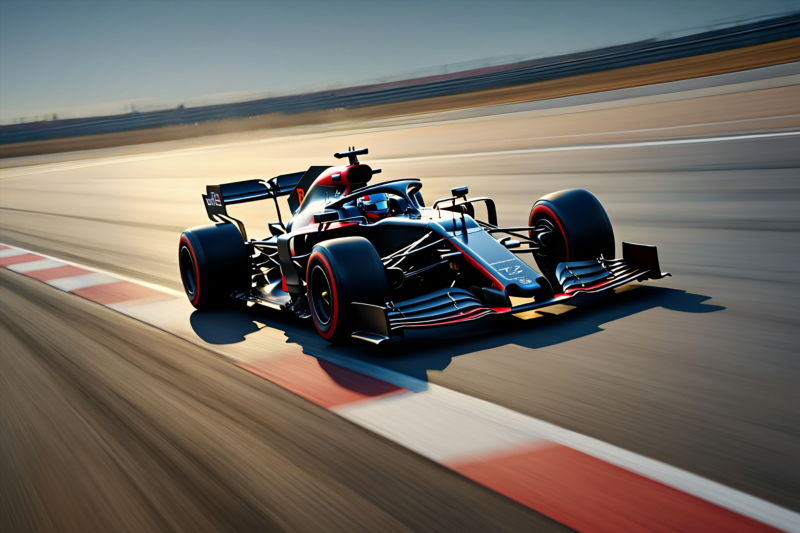
In Formula 1, every split second counts. While aerodynamics, tire management, and driver skill are often discussed, one crucial factor that can make or break a race is brake and cooling management. Effective strategies here not only prevent overheating but also enhance overall race pace and reliability, ensuring that cars perform optimally from start to finish.
YourStop F1 offers deep insights into these vital areas, translating complex technical concepts into actionable strategies that elevate your understanding of high-performance racing.
Why Brake and Cooling Systems Are Essential in F1
The Function of Brakes and Cooling in F1
F1 brakes are designed to withstand extreme conditions, delivering stopping power while enduring high temperatures. Cooling systems manage the heat generated, preventing brake fade—a loss of braking effectiveness that can be catastrophic during critical race moments.
Impact on Race Performance and Reliability
- Consistent Braking Performance: Proper cooling ensures brakes remain effective under sustained use, especially during safety car periods or late-race scrambles.
- Reduced Mechanical Failures: Overheating can lead to component failure, pit stops, and penalties.
- Optimized Tire and Wing Settings: Heat management influences tire grip and aerodynamic balance.
Advanced Brake and Cooling Management Strategies
By adopting sophisticated cooling techniques, teams can safeguard performance while pushing the limits of their cars. Below are key strategies used in modern F1 racing.
1. Dynamic Brake Duct Management
- Variable Brake Ducts: Adjustable ducts that modify airflow based on real-time race conditions, balancing cooling needs with aerodynamic efficiency.
- Strategic Opening and Closing: Teams open ducts in high-temperature zones and close them to reduce drag when heat levels are within acceptable ranges.
2. Regulated Brake Balance Settings
- Adjustable Brake Bias: Fine-tuning front vs. rear brake pressure helps manage heat distribution, preventing overheating of specific components.
- In-Session Changes: Drivers or engineers tweak brake settings during the race to adapt to changing track and weather conditions.
3. Coolant and Brake Fluid Optimization
- Specialized Brake Fluids: High-temperature-resistant fluids prevent boiling and maintain consistent braking under thermal stress.
- Enhanced Coolant Systems: Circulating coolants or auxiliary cooling systems aid in dissipating heat more efficiently.
4. Heat Source Management
- Exhaust and Aerodynamic Flaps: Use of exhaust heat and aerodynamic adjustments to optimize brake cooling without sacrificing downforce.
- Heat Shielding: Reflective materials and shielding prevent heat transfer to other sensitive components.
5. Tire and Road Surface Considerations
- Proper cooling management interacts with tire wear and grip, where excessive heat can cause tire degradation, impacting overall pace.
Implementing Cooling and Brake Strategies for Performance Gains
Step-by-step Approach
- Data Analysis: Review telemetry data to identify heat patterns and failure points.
- Pre-Race Preparation: Set initial brake bias and duct configurations based on track characteristics and weather forecasts.
- In-Race Adjustments: Continuously adapt cooling and brake settings to evolving race conditions.
- Post-Race Review: Analyze thermal data trends to refine future strategies.
Practical Tips for Teams and Engineers
- Prioritize cooling system reliability without introducing aerodynamic drag.
- Use real-time telemetry to anticipate overheating before it impacts performance.
- Develop contingency plans for unexpected heat spikes, such as sudden weather changes or safety car deployment.
Common Questions About Brake and Cooling Strategies
How do weather conditions affect cooling management?
Rain or high humidity can reduce ambient temperatures, but they may also compromise cooling system effectiveness if not properly adjusted. Conversely, hot weather demands more aggressive cooling methods to prevent overheating.
Can aggressive cooling improve overall race pace?
While enhanced cooling prevents heat-related failures, excessive cooling might increase aerodynamic drag, reducing top speeds. The goal is finding the optimal balance for each track.
What innovations are emerging in brake cooling technology?
Recent developments include active aero cooling flaps, smart duct systems with real-time adjustments, and high-temperature brake fluids, all aimed at improving thermal management.
Effective brake and cooling management is a cornerstone of race reliability and performance in Formula 1. By understanding and implementing advanced strategies—such as dynamic duct control, precise brake bias adjustments, and high-performance fluid systems—teams can prevent overheating, optimize efficiency, and maintain consistent lap times.
At YourStop F1, we decode these complex technical methods into actionable insights, empowering enthusiasts and analysts to see F1 not just as speed but as a finely tuned system of engineering excellence and human skill.
Explore these expert strategies today and turn thermal management into your competitive advantage.