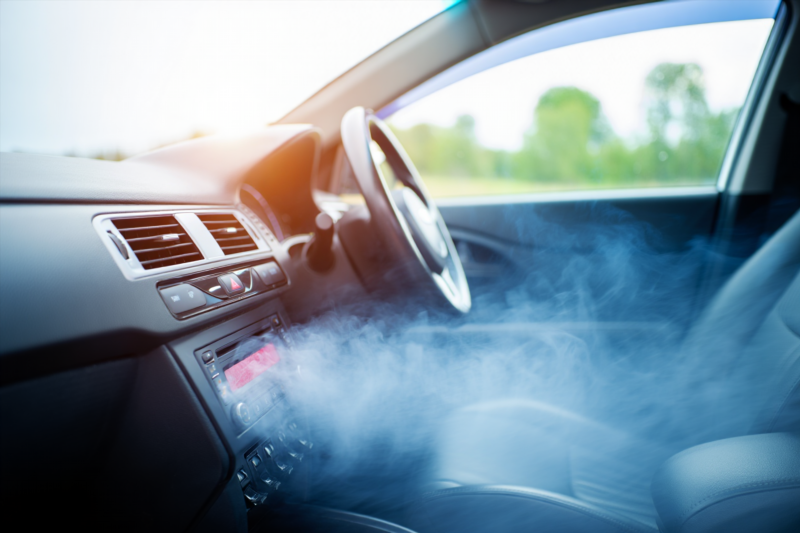
Dirty Air Versus Clean Air: Why Leading a Car Matters
Understanding the Importance of Vehicle Air Quality
In the high-stakes world of Formula 1, air quality isn’t just a matter of comfort—it’s a critical factor influencing performance, safety, and driver health. Similarly, in everyday driving, maintaining a clean vehicle air system can significantly impact your safety and overall driving experience. This article explores the critical differences between dirty and clean air inside your car, explains why leading your car’s airflow system matters, and provides practical tips to optimize air quality on the road.
The Science Behind Vehicle Air Quality
What Does ‘Dirty Air’ Mean?
‘Dirty air’ inside a vehicle refers to contaminated airflow caused by dust, pollen, pollutants, mold, and even bacteria accumulation within the air conditioning and ventilation system. Over time, these particles can create a less healthy environment, reduce airflow efficiency, and lead to unpleasant odors.
The Benefits of Clean Air in Your Vehicle
A clean air system ensures:
- Better Respiratory Health: Reducing allergens and pollutants prevents respiratory irritation.
- Enhanced Comfort: Fresh, pure air improves overall comfort and alertness.
- Extended HVAC System Longevity: Prevents mold and bacteria buildup, which can damage components.
- Optimal Climate Control: Ensures consistent airflow for effective heating or cooling.
Why Leading the Car’s Airflow Matters
What Does ‘Leading’ Mean in This Context?
In the context of vehicle air systems, ‘leading’ refers to maintaining the airflow from clean, correctly functioning HEPA or activated carbon filters, and ensuring ventilation is not compromised by obstructions or degraded filters.
Effects of Leading vs. Lagging in Air Quality
| Aspect | Leading (Clean Air System) | Lagging (Dirty Air System) |
| Health | Minimizes allergens, bacteria, and mold | Promotes respiratory issues, irritations |
| Safety | Maintains clear visibility (defogging, defrosting) | Impaired defogging, risk of blinding fog or condensation |
| Comfort | Consistent airflow, odor-free environment | Unpleasant odors, uneven airflow |
| Vehicle Maintenance | Less strain on HVAC components | Accelerated wear, costly repairs |
Practical Tips to Maintain Clean Vehicle Air Quality
1. Regular Filter Replacement
Replace cabin air filters every 12,000 to 15,000 miles or as recommended by your manufacturer. A fresh filter ensures the removal of dust, pollen, and pollutants, guaranteeing clean airflow.
2. Periodic System Cleaning
Utilize professional HVAC cleaning services or perform DIY sterilization using appropriate cleaning agents designed for vehicle systems to eliminate mold, bacteria, and odors.
3. Keep the Interior Clean
Vacuum and dust your car interior regularly. Clean your vents and air intakes to prevent clogged filters and mold formation.
4. Use High-Quality Air Fresheners and Purifiers
Invest in ozone generators or activated carbon purifiers to enhance air quality, especially if you frequently drive in polluted areas.
5. Monitor and Address Moisture Build-up
Prevent interior humidity, which encourages mold growth, by using dehumidifiers or ensuring proper drainage and sealing of vents.
Frequently Asked Questions
Q: How often should I change my car’s cabin air filter? A: Typically every 12,000 to 15,000 miles, but check your vehicle’s manual for specific recommendations.
Q: Can dirty air cause health issues? A: Yes, prolonged exposure to contaminated air can lead to allergies, asthma exacerbation, or other respiratory problems.
Q: Are there signs that my vehicle’s air system needs cleaning? A: Unpleasant odors, reduced airflow, foggy windows, or allergies symptoms during driving are common indicators.
Q: Does climate affect the air quality inside my car? A: Absolutely. Humid environments promote mold growth, while dusty conditions increase particle buildup, both requiring more frequent maintenance.
Maintaining clean airflow inside your vehicle isn’t just about comfort—it’s a vital health and safety measure. Just as in Formula 1, where understanding the interplay of air and aerodynamics can make the difference between victory and defeat, keeping your car’s air system clean ensures optimal engine performance, passenger health, and driving safety. Regular maintenance, timely filter replacement, and good interior hygiene are your best tools to ‘lead’ your vehicle’s air system effectively.
Take action today: Check your cabin filters, schedule a system cleaning, and embrace habits that promote pure, fresh air inside your car. Because in the race for safety and well-being, clean air always wins.
Interested in more insights on vehicle performance and safety? Subscribe to YourStop F1 for the latest analysis, expert tips, and in-depth understanding of engineering decisions behind your favorite motorsport.