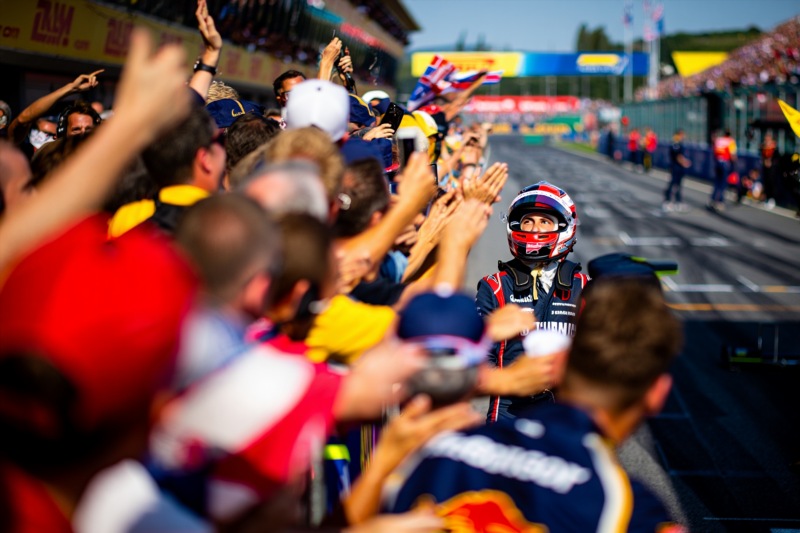
Does the Home Crowd Effect Improve F1 Race Outcomes? *Discover how home race crowds influence driver performance and explore whether home advantage truly impacts F1 results.*
In the high-stakes world of Formula 1, where milliseconds and minute details can spell the difference between victory and defeat, the influence of external factors often remains underappreciated. Among these, the home crowd’s presence stands out. F1 fans are renowned for their passionate support, creating an electrifying atmosphere at specific circuits—known as home races. But does this crowd energy genuinely give drivers a tangible advantage? Or is it just a psychological boost that has limited impact on race outcomes?
The Home Crowd Effect: A Double-Edged Sword
Understanding the Phenomenon
The “Home Crowd Effect” refers to the psychological and physical influence that a supportive local audience can exert on a driver participating in their home race. This can manifest as increased motivation, heightened adrenaline, or even heightened pressure.
Key elements include:
- Motivational Boost: Supportive cheers and chants elevate driver confidence.
- Adrenaline Surge: Instructions from the brain lead to increased alertness and reaction speed.
- Pressure to Perform: Expectations from the home crowd can cause stress or mistake susceptibility.
Does the Home Crowd Really Influence F1 Results?
The Evidence from Past F1 Seasons
While intuition suggests that a home crowd should motivate drivers to perform better, empirical evidence remains mixed:
| Factor | Observed Impact | Description |
| Motivational boost | Sometimes boosts performance | Drivers report feeling more energized and focused in front of familiar crowds. |
| Increased pressure | Can impair performance | Expectations may lead to mistakes, especially under tight margins. |
| Historic winners | A handful of successful home drivers | Sebastian Vettel (Germany), Lewis Hamilton (UK), and others have seen boosted outcomes at home. |
| Variable effect | No consistent correlation | Studies show that home advantage isn’t guaranteed; other variables often outweigh crowd influence. |
Notable Examples: When the Crowd Helped and When It Didn’t
- Lewis Hamilton, Silverstone (UK): A race where home support seemed to push Hamilton to a dominant victory.
- Sebastian Vettel, Hockenheim (Germany): Vibrant crowds motivated Vettel, but mechanical issues detracted from the impact.
- Max Verstappen, Zandvoort (Netherlands): Home fans’ cheers contributed to Verstappen’s aggressive driving, aiding his race win.
Psychological and Environmental Considerations
The Role of Driver Experience
- Veterans vs. Newcomers: Experienced drivers tend to handle home crowd pressure better, translating support or expectation into focused performance.
- Psychological resilience: Mental toughness is crucial in managing both the enthusiasm and potential stress of a home race.
Environmental Impact: Circuit Atmosphere and Track Dynamics
- Crowd Noise and Distraction: High decibel levels can be both motivating and distracting.
- Support in Critical Moments: The crowd’s energy during qualifying or crucial race phases can influence driver decision-making.
Does Home Advantage in F1 Depend on Other Factors?
| Factor | Influence on Home Advantage | Implication |
| Car Performance | Dominant cars can overshadow home crowd effects | Seat of the pants in performance still matters most |
| Regulation Changes | Can level the playing field | New rules diminish home-crowd influence over outcomes |
| Weather Conditions | Introduce randomness, reducing crowd impact | Rain, wind, etc., can nullify crowd motivation |
Final Thoughts: The Real Impact of Crowd Support on F1 Race Outcomes
While the home crowd’s energy undoubtedly affects driver morale and emotional state, its direct impact on race results seems context-dependent. High-profile cases suggest that passionate fans can motivate drivers to excel, but external factors—car performance, race strategy, weather—often carry more weight.
Key takeaway: *Home advantage in Formula 1 isn’t solely about crowd cheers; it combines psychological momentum with technical and strategic factors.*
Frequently Asked Questions
Q1: Can the home crowd cause a driver to make mistakes? A: Yes, the increased pressure and expectations can lead to errors, especially in tight qualifying sessions or critical race moments.
Q2: Are there specific circuits where the home crowd effect is stronger? A: Circuits with passionate local fans, such as Silverstone, Hockenheim, and Zandvoort, tend to amplify the home crowd’s influence.
Q3: How do teams leverage the home crowd effect? A: Teams often use the motivation to bolster driver confidence and morale, especially during challenging race phases.
Final Call to Action: Stay Informed with YourStop F1
To truly grasp how elements like the home crowd influence race outcomes, you need in-depth, data-driven insights. YourStop F1 offers comprehensive race analysis, strategy breakdowns, and driver-focused insights that make complex F1 data clear and actionable.
Subscribe now and stay ahead of the curve with real-time telemetry explanations, post-race debriefs, and season-long trend tracking—because understanding the nuanced factors like the home crowd can give you the edge in predicting race results.
Transform your F1 knowledge today—because in racing, the details make all the difference.