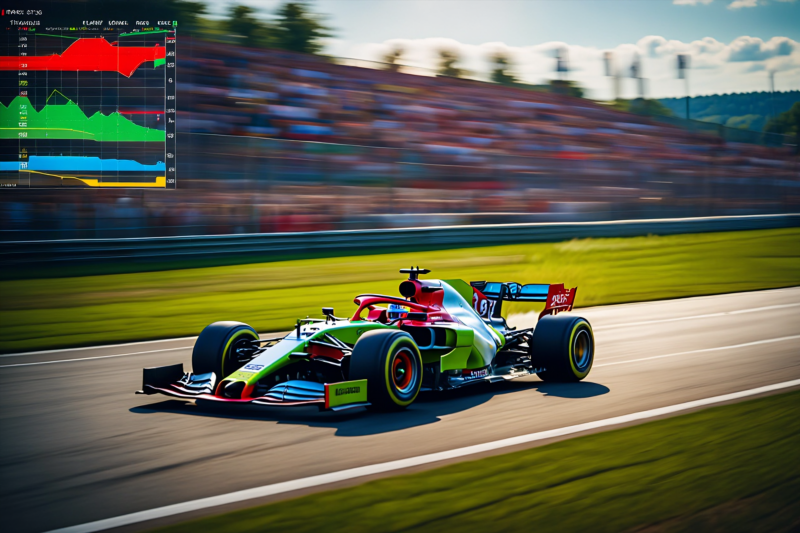
Unlocking the Secrets Behind F1 Telemetry for Fans
Formula 1 telemetry is more than just numbers and graphs; it’s a window into the intricate dance between driver input, car performance, and racing strategy. For dedicated fans and analysts alike, understanding telemetry data—specifically throttle application, braking patterns, gear shifts, and speed traces—can transform how you perceive a Grand Prix. This article delves into how telemetry reveals these patterns, helping you decode the subtle cues that make racing both a science and an art.
What Is F1 Telemetry and Why Does It Matter?
Telemetry refers to the real-time collection and transmission of data from the car’s electronic systems. In F1, this data encompasses every nuance of vehicle performance, including:
- Throttle application
- Brake pressure
- Gear selection
- Speed at various points on the track
Understanding these dynamics allows fans and analysts to grasp the complexity behind quick lap times, tire management, pit-stop decisions, and on-track battles.
Benefits of F1 Telemetry:
- Gains deeper insight into driver behavior and car performance
- Recognizes strategic choices made by teams
- Enhances post-race analysis and predictions
- Satisfies curiosity about what’s happening behind the scenes
Key Telemetry Data Points for Fans
Throttle Patterns: When and How Drivers Accelerate
Throttle data reveals how aggressively drivers press the accelerator, especially during corners, straightaways, and acceleration zones. For instance:
- Smooth throttle application indicates confident control.
- Sudden throttle changes can signal aggressive overtaking or defensive driving.
- Throttle nuances often correlate with specific strategic objectives, such as conserving tires or preparing for a quick push.
Brake Pressure: The Art of Deceleration
Brake telemetry illustrates how drivers manage deceleration:
- Gradual braking before a turn suggests a smooth technique.
- Hard, abrupt braking points to aggressive attempts at gaining a position.
- Brake balance adjustments during a lap can reveal team setup preferences or adapting to track conditions.
Gears: Shifting for Speed and Efficiency
Gear change patterns show how drivers optimize engine performance and traction:
- Early shifts often occur on long straights to maximize speed.
- Downshifts before corners help maintain stability.
- Analyzing gear shift timing offers clues about engine responsiveness and driver style.
Speed Traces: The Roadmap of Performance
Speed traces graph vehicle velocity throughout each lap:
- Peaks and valleys indicate acceleration zones, braking points, and cornering speeds.
- Consistent speed patterns suggest a driver’s control and confidence.
- Variations help identify when a driver is pushing the limits or conserving energy.
Decoding Telemetry for Smarter F1 Engagement
How Telemetry Enhances Race Viewing
By understanding these data patterns, fans can:
- Anticipate overtakes based on brake and throttle signals
- Recognize strategic tire management through throttle modulation
- Identify when a driver is saving energy or pushing for performance
Postrace and Practice Analysis
After a race, telemetry data helps uncover:
- Driver adaptation to track conditions
- Effectiveness of upgrades or setup changes
- Impact of weather or regulation shifts on performance
Tools and Resources for Fans
Today’s advanced broadcast graphics and apps can display telemetry overlays, making it easier to interpret data:
| Tool/Resource | Description | Benefits |
| F1 Telemetry Apps | Live dashboards and replay analysis | Real-time insights, enhanced engagement |
| Official F1 Broadcasts | Visual overlays and post-race breakdowns | Expert insights, simplified data presentation |
| Third-Party Analysis Platforms | In-depth data analysis and trend tracking | For passionate fans and analysts seeking deeper understanding |
FAQs About F1 Telemetry for Fans
How accessible is telemetry data for the average fan?
While detailed telemetry dashboards are often reserved for teams and broadcasters, many insights are available through official F1 broadcasts, online analysis platforms, and real-time apps. As technology advances, more fans are gaining easier access to meaningful telemetry summaries.
Can telemetry data predict race outcomes?
While telemetry reveals driver behavior and car performance, it’s one piece of a larger puzzle. When combined with weather data, tire degradation info, and team strategy, telemetry can help enhance predictions but not guarantee outcomes.
How does telemetry help in understanding driver skill?
Telemetry illustrates a driver’s control over throttle, brakes, and gear shifts—all signs of driving precision. Recognizing patterns like smooth acceleration and consistent braking indicates high skill and experience.
Elevate Your F1 Experience with Telemetry Insights
Understanding telemetry data transforms you from a passive viewer into a keen analyst, appreciating the complex engineering and human performance behind every lap. By decoding throttle application, braking patterns, gear shifts, and speed traces, you gain a richer, more nuanced view of Formula 1 racing—making each race not just a spectacle but a compelling story of engineering mastery and driver expertise.
*Discover how telemetry reveals hidden patterns in racing—dive deeper into F1 with YourStop F1’s expert analysis and stay ahead of the curve.*