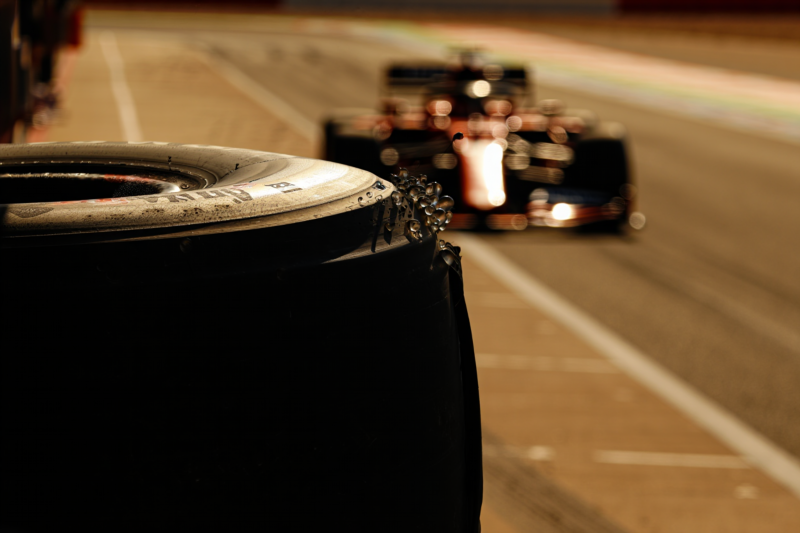
Understanding F1 Tire Dynamics: Graining, Blistering, and Degradation
Formula 1 racing is a high-stakes sport where every fraction of a second counts. Central to race performance are the tires—complex components affected by various factors that influence grip, durability, and overall race strategy. This article demystifies the intricate world of F1 tire behavior, focusing on the causes behind graining, blistering, and deterioration during races. By understanding these phenomena, fans and analysts can better interpret race dynamics and enhance strategic decisions.
Why Tires Are Critical in F1 Racing
F1 tires are the only contact point between the car and the track surface. Their behavior impacts:
- Grip and handling
- Lap times
- Pit stop strategies
- Race outcomes
The balance between tire performance and degradation is delicate, influenced by track conditions, car setup, driver style, and race pace. Misjudging tire health can lead to loss of performance or catastrophic tire failure.
Key Tire Behaviors: Graining, Blistering, and Deterioration
What Is Graining?
Graining appears as small, grain-like tread wear on the tire surface—a phenomenon caused by inconsistent contact patterns. It typically occurs during high-speed cornering when the tire’s inner parts experience temperature differences, leading to uneven wear.
Effects of Graining:
- Loss of grip
- Increased tire wear
- Reduced overall performance
What Is Blistering?
Blistering involves the formation of bubbles or blisters on the tire surface, often a sign of excessive heat build-up. It results from the breakdown of the rubber compounds due to:
- High track temperatures
- Excessive slip (sliding of tire against track surface)
- Overloading tires during aggressive driving
Effects of Blistering:
- Sudden drop in grip
- Rapid tire deterioration
- Risk of tire failure
What Is Tire Degradation?
Degradation encompasses the general decline in tire performance over the course of a stint. It manifests as:
- Reduced grip levels
- Changes in tire temperature
- Increase in wear indicators
Degradation is naturally expected but can be accelerated by racing conditions, aggressive driving, or improper tire management.
Root Causes of Tire Problems in Races
Track Surface and Weather Conditions
- Track temperature: Hotter tracks accelerate degradation.
- Track layout: High-speed corners and abrasive surfaces increase graining risks.
- Weather: Rain and humidity influence tire compound behavior.
Car Setup and Driving Style
- Overly aggressive steering or braking can increase slip and heat.
- Improper suspension settings can cause uneven tire load distribution, leading to graining.
Tire Compound and Construction
- Softer compounds provide more grip but wear faster.
- Harder compounds last longer but may struggle with temperature build-up and blistering.
Race Dynamics and Strategies
- Aggressive tire management can induce blistering or graining.
- Pitting at optimal times helps mitigate excessive wear.
How to Recognize and Manage Tire Behavior During a Race
Telemetry and On-Track Signs
- Sudden drops in lap times
- Observable graining patterns in tire wear visuals
- Increased tire temperatures and abnormal pressure readings
Strategic Adjustments
- Managing throttle application to reduce slip
- Adapting driving lines to minimize tire stress
- Timing pit stops to replace highly degraded tires
Impact on Race Strategy and Predictions
Understanding tire behavior enhances predictions about:
- The optimal lap to pit for tire change
- The likelihood of blistering or graining impacting performance
- The effectiveness of tire management strategies in different race conditions
YourStop F1 translates these complex tire phenomena into clear storylines, allowing fans and analysts to anticipate outcomes and refine strategies.
Frequently Asked Questions
How does track temperature influence tire degradation?
Higher track temperatures cause tires to heat excessively, increasing degradation, graining, and blistering risks. Teams monitor weather forecasts closely and choose appropriate compounds to mitigate these effects.
Can driver style prevent tire blistering?
Yes. Smooth, controlled driving minimizes slip and heat build-up, reducing blistering and grain formation. Drivers trained in tire conservation can extend tire life and maintain performance.
Are some tire compounds more prone to graining or blistering?
Softer compounds tend to generate more heat and are more susceptible to blistering, especially under aggressive driving or hot conditions. Harder compounds are more durable but may suffer from less grip and potential graining if not managed properly.
Final Thoughts: Mastering the Science of F1 Tire Behavior
F1 tires are a complex blend of engineering, materials science, and dynamic interaction with race conditions. Recognizing the causes behind graining, blistering, and deterioration empowers teams, analysts, and fans to interpret race narratives more effectively. Strategic management of tire behavior can make the difference between victory and defeat, turning tire knowledge into a competitive advantage.
Stay tuned with YourStop F1 as we continue to decode the science behind race strategies and help you stay ahead in understanding Formula 1’s intricate system of engineering decisions and human expertise.
*Interested in more insights? Subscribe now for regular updates on race analysis, strategy breakdowns, and driver-focused insights throughout every Grand Prix weekend.*