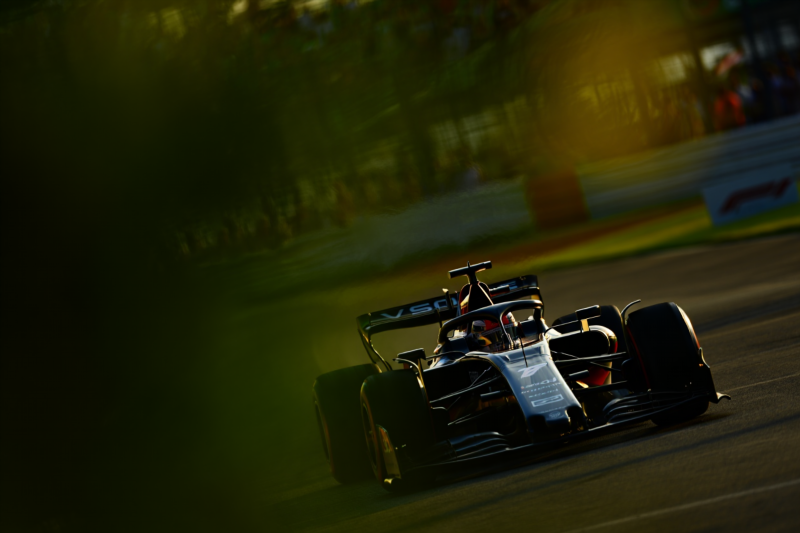
Fuel and Lift Settings: Hidden Tradeoffs Affecting Lap Times
*Unlock the secrets behind optimal fuel and lift management to enhance your performance on the track.*
Understanding the Critical Balance in F1: Fuel and Lift Management
In Formula 1, every fraction of a second counts. Among the multitude of engineering and strategic decisions, fuel and lift (or coasting) settings play a pivotal role in determining lap times and thermal management. These settings are intertwined with complex tradeoffs that often remain hidden to the untrained eye. Mastering these tradeoffs can lead to smarter choices, improved performance, and a competitive edge during race weekends.
The Hidden Tradeoffs in Fuel Management
How Fuel Load Influences Performance
Fuel load isn’t just about how heavy the car is at the start—it’s a strategic variable influencing tire wear, car balance, and lap times:
- Higher Fuel Load:
- Pros: Longer stints, fewer pit stops, higher overall race pace if managed correctly.
- Cons: Increased weight leads to slower laps, increased tire degradation, and higher temperatures.
- Lower Fuel Load:
- Pros: Faster initial lap times, reduced drag, better handling.
- Cons: Limited fuel means more pit stops, potential for under-fueling— risking penalties or compromising race strategy.
The Tradeoff: Speed vs. Endurance
Strategically, teams balance the fuel load to optimize lap time against the risk of overheating or rapid tire wear. Adjusting fuel levels involves understanding how added weight impacts both immediate performance and long-term sustainability of the tires and engine components.
Lift and Coasting Settings: The Hidden Thermodynamic Tradeoffs
Leveraging Lift for Optimal Cooling and Efficiency
Lift and coasting are techniques used to reduce engine power, conserving fuel and reducing thermal strain:
- Benefits:
- Lower engine temperatures, extended component life.
- Improved fuel economy by reducing unnecessary engine workload.
- Risks:
- Extended coasting zones may disrupt racing rhythm, leading to lost positions.
- Over-reliance can spoil the balance of downforce and grip, impacting cornering speeds and stability.
The Critical Balance: Coasting for Performance vs. Thermal Management
Strategic coasting helps manage temperatures, but excessive reliance can cause a loss of crucial momentum, making it necessary to find the perfect “coast point” that minimizes temperature spikes without compromising lap times.
Practical Insights: How to Optimize Fuel and Lift Settings
| Aspect | Consideration | Impact |
| Fuel Load Strategy | Balance between initial speed and pit stop frequency | Longer stints; strategic flexibility |
| Tire Management | Heavier fuel increases tire wear; plan for cooling periods | Maintain grip; prevent overheating |
| Coasting Zones | Identify optimal sections for lift-off to reduce temperature | Thermally efficient laps; prevent overheating |
| Weather Conditions | Heat levels influence thermal tradeoffs; adapt lift settings | Improved reliability and consistent lap times |
| Track Characteristics | Technical circuits may favor coasting in certain sections | Maximize downforce and speed while managing heat |
How to Drive Smarter: Tactics for Pit Crews and Drivers
- Adaptive Fuel Management: Regularly analyze real-time lap data to adjust fuel strategy dynamically, especially in unpredictable weather or race incidents.
- Targeted Coasting: Identify high-temperature zones or brake zones where lifting reduces thermal stress without sacrificing speed.
- Simulation and Data Analysis: Use telemetry data to simulate different fuel/ lift configurations pre-race, understanding their tradeoffs in advance.
FAQs: Addressing Common Questions
Q1: Can adjusting fuel and lift settings guarantee faster lap times? *While not a guarantee, optimized settings significantly improve consistency, thermal management, and overall race strategy, leading to better lap times over the course of a race.*
Q2: How do weather conditions affect fuel and lift management strategies? *Hotter conditions increase thermal risks, making careful lift and cooling strategies more critical. Conversely, cooler weather can allow for more aggressive fuel use and less coasting.*
Q3: How do engineers determine the perfect balance in these settings? *Through telemetry analysis, on-track testing, and iterative simulations—considering factors like tire wear, engine temperatures, and lap performance—to find the optimal tradeoff point.*
In Formula 1 performance optimization, understanding the hidden tradeoffs in fuel and lift management is essential. By balancing fuel loads and coasting techniques—considering their impact on lap times and temperature management—teams and drivers can make smarter, data-driven decisions that elevate performance. Continuous analysis and strategic adjustments are the key to turning these subtle tradeoffs into tangible race victories.
*Unlock the full potential of your F1 strategy by mastering fuel and lift management—because in racing, every hidden tradeoff can be the difference between victory and loss.*