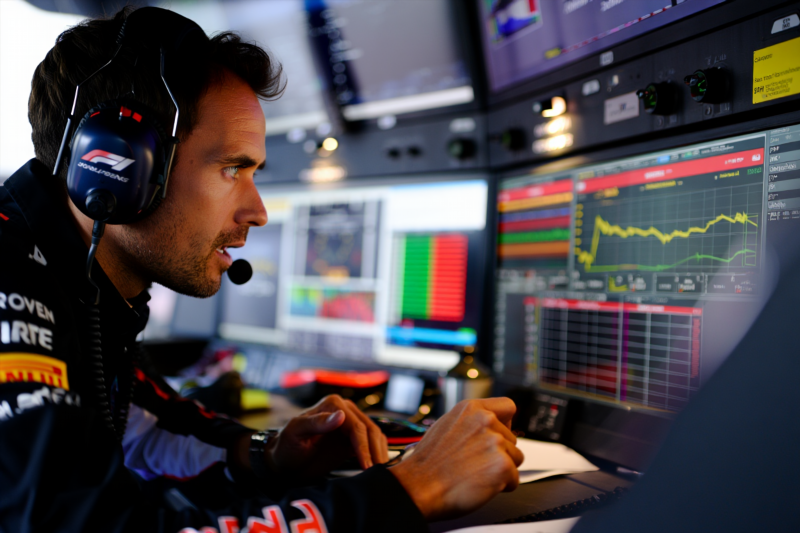
How Effective Radio Calls Enhance Racing Team Performance
In the high-stakes world of Formula 1, every millisecond counts. One often overlooked yet crucial aspect of race success is the clarity and timing of radio communication between drivers and their teams. Effective radio calls serve as the nerve center of race strategy, allowing teams to adapt swiftly to changing conditions, optimize performance, and prevent costly errors. This article explores how strategic radio communication, especially during midrace moments and strategy debates, can significantly elevate a team’s performance on the track.
Understanding the Power of Radio Communication in F1
Radio calls are not mere updates; they are real-time tactical tools that influence decision-making, driver confidence, and overall race outcomes. Well-structured communication can:
- Coordinate strategy adjustments swiftly based on race dynamics.
- Resolve in-race conflicts or uncertainties during critical moments.
- Provide drivers with precise instructions to maximize their car’s potential.
- Prevent misinterpretations that could lead to penalties or accidents.
Key takeaway: In F1, the quality of team communication can be the difference between victory and defeat.
The Role of Midrace Strategy Arguments
Midrace strategy debates are common as teams weigh different approaches—such as when to pit, tire choices, or responding to safety cars. The manner in which these disagreements are resolved through radio calls impacts both team harmony and race results.
Why Effective Midrace Strategy Calls Matter
- Facilitate quick consensus: Clear communication prevents confusion under pressure.
- Align driver and team goals: Ensures the driver executes decisions in line with the overall race plan.
- Adapt to evolving conditions: For example, a sudden weather change or a safety car deployment demands swift strategic shifts.
Components of Successful Radio Calls
To achieve effective communication, certain elements should be embedded into radio calls:
| Element | Description | Impact |
| Clarity | Concise, unambiguous instructions | Reduces misunderstanding, speeds up decision-making |
| Authority | Confident, grounded tone | Builds trust; encourages driver compliance |
| Timing | Calls made at optimal moments | Prevents delays that could cost positions |
| Empathy and Reassurance | Comforting drivers under pressure | Maintains driver focus and reduces stress |
Learning from Strategy Debates and Solutions
Analysis of race radio exchanges reveals that teams who master midrace communication tend to outperform their rivals. For example:
- Mercedes during the 2021 season demonstrated effective use of radio to debate pit stop timings amid fluctuating weather, leading to optimal tire choices.
- Red Bull often employed strategic discussions to decide whether to pursue aggressive overtakes or conservatively hold positions, communicated via precise radio calls.
Learnings for teams and analysts:
- Use radio conversations as a real-time feedback loop for strategy adjustment.
- Document and review strategy debates to identify effective communication patterns.
- Train drivers to interpret and respond confidently to team instructions.
Practical Tips to Improve Your Team Radio Calls
If your goal is to bolster team communication in a racing context, consider these best practices:
- Pre-Race Planning: Outline potential race scenarios and corresponding radio protocols.
- Simulation Drills: Practice radio exchanges, emphasizing clarity and confidence.
- Real-Time Monitoring: Use telemetry data to inform strategic discussions but simplify complex info into actionable instructions.
- Post-Race Debriefs: Analyze radio logs to identify strengths and areas for improvement.
Final Thoughts: Why Smarter Radio Calls Lead to Smarter Racing
In the complex ecosystem of Formula 1, race success hinges on the seamless interplay between machine, driver, and team. Effective radio communication, especially during tense midrace moments, acts as the catalyst for cohesive decision-making. It transforms raw data and strategic debates into clear, actionable commands that help teams adapt rapidly and efficiently.
By focusing on timely, precise, and confident radio calls, racing teams can gain a competitive edge—turning strategic disagreements into opportunities for optimal performance, not setbacks. As you develop or analyze your racing team’s communication strategy, remember: mastery of the airwaves is a critical component of racing excellence.
Interested in more insights on team dynamics and race strategy? Visit YourStop F1, your comprehensive platform for race analysis and driver-focused insights, translating complex data into successes on the track.