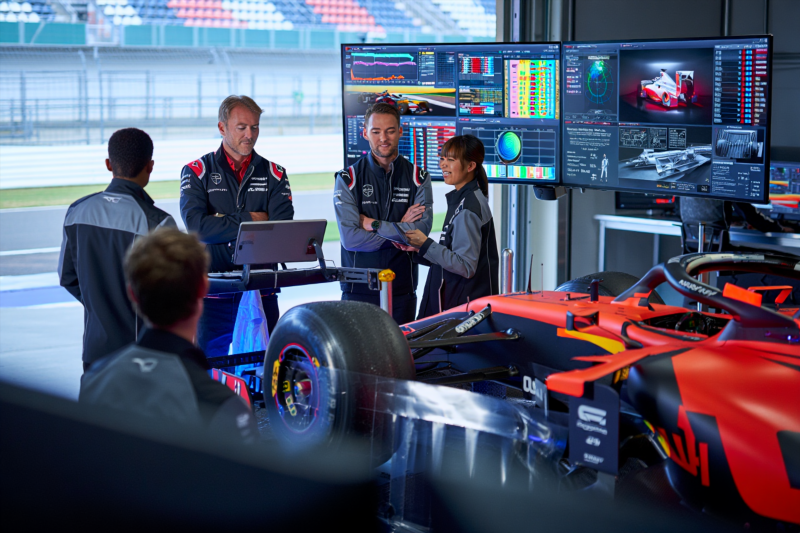
In the high-octane world of Formula 1, success hinges on meticulous preparation, data-driven strategies, and a relentless focus on safety. Teams invest significant resources into developing sophisticated race simulations and safety protocols that not only optimize performance but also safeguard their drivers. Leveraging advanced telemetry, physics models, and psychological insights, they craft detailed long run data and safety plans that give them a competitive edge.
This article explores how F1 teams develop comprehensive race simulation models and safety scenarios, revealing the process behind the scenes. Whether you’re an F1 enthusiast, analyst, or aspiring engineer, understanding these strategies offers valuable insight into the precision engineering that underpins every Grand Prix.
The Pillars of Race Simulation Development
1. Data Collection and Telemetry Analysis
At the core of every accurate race simulation is robust data collection. Teams rely on real-time telemetry from previous races, practice sessions, and tested scenarios to understand the nuances of vehicle behavior under different conditions.
- Track conditions: Surface grip levels, temperature, and weather influences.
- Car performance: Tire degradation, fuel consumption, aerodynamic performance.
- Driver inputs: Throttle application, braking points, steering angles.
By analyzing this data, teams create a detailed baseline model of how their vehicle responds during laps, enabling precise prediction of race behavior.
2. Physics-Based Modeling and Software Integration
Using advanced simulation software—such as MATLAB, rFactor, or proprietary platforms—teams translate telemetry into physics-based models that emulate real-world conditions.
- Vehicle Dynamics Models: Replicate tire grip, downforce, and powertrain responses.
- Environmental Variables: Incorporate weather forecast data to simulate rain, wind, or temperature shifts.
- Scenario Testing: Run “what-if” simulations, such as tire failures or sudden rain, to evaluate safety protocols and race strategies.
3. Long Run Data: Emulating Race Durability
Long run simulations are crucial for understanding how the car behaves during extended stints on track.
- Strategy Optimization: Determine optimal tire management and fuel loads to maximize speed while preserving tire life.
- Performance Trends: Identify potential degradation patterns and adapt strategies accordingly.
- Driver Comfort and Consistency: Assess driver stamina and concentration over long periods, influencing race pacing.
4. Crafting Safety Scenarios and Contingency Plans
Safety is paramount. Teams develop detailed emergency and safety scenarios to prepare for unpredictable race incidents.
- Crash Simulations: Use crash test data and modeling to evaluate impact forces and structural integrity.
- Vehicle Failures: Plan for mechanical failures, brake problems, or tire blowouts.
- Track Incidents: Create protocols for virtual safety car deployment or race stoppages.
- Driver Wellbeing: Incorporate medical and psychological assessments to monitor driver stress and fatigue.
Developing a Safety-First Approach: From Data to Action
Incorporating Weather and Real-Time Data
Weather fluctuations have a profound impact on race safety and strategy. Teams use weather radar and machine learning algorithms to predict and respond swiftly:
- Negotiating the risks of aquaplaning with rain.
- Adjusting tire choices proactively.
- Planning safety car deployments in adverse conditions.
Simulation-Driven Practice and Validation
Before race day, teams run comprehensive simulations to validate their safety protocols:
- Virtual Rehearsals: Mimic race scenarios, including accidents or sudden weather changes.
- Driver Feedback: Gather insights from drivers on simulation accuracy and comfort.
- Iterative Refinement: Continuously improve models based on new data and real-world observations.
Expert Insights into Race Simulation and Safety Planning
Cross-disciplinary Collaboration
Developing safety strategies requires collaboration between engineers, physicists, medical personnel, and drivers. Their collective expertise ensures a holistic approach to performance and wellbeing.
The Role of Artificial Intelligence
AI and machine learning are increasingly vital, analyzing vast data sets to predict emerging risks and optimize safety solutions faster than manual methods.
The Future of Race Simulation
Emerging technologies such as augmented reality, real-time data streaming, and enhanced visualization promise even more detailed and adaptive safety plans, elevating F1 safety standards.
FAQ: Common Questions About Race Simulation and Safety Development
How accurate are F1 race simulations?
Modern simulations are highly precise, leveraging extensive telemetry data and validated physics models. While they cannot predict every variable perfectly, they provide reliable insights for strategic and safety planning.
How do teams ensure driver safety during simulation training?
Simulations incorporate safety scenarios based on crash tests, medical guidelines, and track incident data. Drivers also participate in physical safety drills and medical simulations to prepare for real-world emergencies.
What role does weather forecasting play in safety planning?
Weather forecasts inform tire strategies, track safety measures, and contingency protocols. Teams adjust their simulations based on these predictions to mitigate risks proactively.
Developing detailed race simulation long run data and safety plans is a complex, multidisciplinary process that encompasses data analysis, physics modeling, psychological preparedness, and technological innovation. By meticulously crafting these strategies, F1 teams enhance their performance potential while prioritizing driver safety—an essential balance that exemplifies the sport’s relentless pursuit of excellence.
Discover more expert insights and behind-the-scenes strategies by exploring your favorite F1 platforms like YourStop F1—your ultimate guide to understanding the science and strategy of Formula 1.