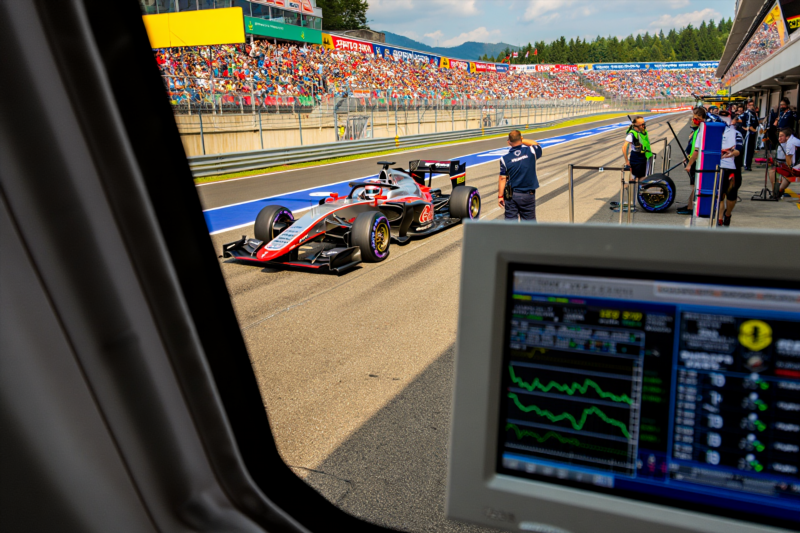
Understanding the intricacies of Formula 1 strategy is essential for enthusiasts, analysts, and teams alike. With YourStop F1 as your ultimate platform, you can unlock the secrets behind each Grand Prix weekend by mastering the art of strategy analysis. This guide will walk you through how to analyze practice sessions (FP1, FP2, FP3), qualifying, and race strategies—empowering you to optimize performance insights and confidently enjoy every race weekend.
Why Strategy Analysis Matters in Formula 1
F1 is a highly complex sport where seconds—and even milliseconds—can determine victory or defeat. Analyzing strategies allows you to:
- Predict race outcomes based on setup and tire management.
- Understand team decisions regarding pitstops, tire choices, and fuel loads.
- Identify trends in driver performance and car behavior.
- Enhance your enjoyment by appreciating the race engineering behind each decision.
YourStop F1 turns complex telemetry and data into engaging storylines, making strategy analysis accessible and insightful.
Before diving into session reviews, focus on collecting these core data elements:
| Data Point | Purpose | How it helps in analysis |
| Lap times | Performance benchmarks | Track consistency and improvements |
| Tire degradation & behavior | Tire life and strategy | Fueling decisions, pit timing |
| Weather conditions | External factors | Impact on grip, tire choice |
| Track evolution | Tire grip over sessions | Strategy adaptations |
| Driver and car telemetry | Real-time performance | Driver inputs, car handling |
| Pitstop timing and strategy | Pit window decisions | Race flow, position changes |
| Engine modes & fuel loads | Power management | Strategy stances |
By systematically analyzing these data points, you create a detailed picture of each team’s approach.
Practice sessions are your window into team preparations and setup strategies.
Focus Areas During Practice
1. Setup and Tire Behavior
Observe how teams adjust car setups across different runs, especially in FP2 and FP3. Watch for:
- Changes in wing angles for speed vs. stability.
- Tire compound selections and degradation trends.
2. Running Patterns & Consistency
Identify teams and drivers focusing on race pace versus qualifying laps. Consistent lap times indicate confidence, while sudden drops can signal issues.
3. Data Collection for Race Strategy
Note which tire compounds appear fastest and most durable, giving clues for race tire choices.
How to Use Practice Data
- Compare lap times across sessions to identify performance gaps.
- Evaluate tire wear patterns for optimal pitstop planning.
- Identify potential upgrades or modifications by monitoring how cars react to upgrades.
Qualifying is where race-winning strategies often begin to solidify.
Critical Elements in Qualifying Strategy
1. Q1 to Q3 Progression
Analyze how drivers improve each session:
- Are they conserving tires for Q3?
- Are they using only necessary sets to maximize tire life?
2. Timing of Fast Laps
Assess the ideal lap times and when drivers set them. Often, teams plan to set their best laps at specific times:
- Early laps for grid positioning.
- Last-minute pushes assessing track evolution.
3. Tire Choices for Q3
Monitor whether teams opt for soft, medium, or hard tires, influencing race start strategies.
Breaking Down Qualifying Data
- Spot trends in qualifying pace across drivers.
- Identify strategic risks, such as pushing for a lap at the risk of tire wear.
- Understand weather influence, like track cooling or warming, to predict final grid placement.
The race is the culmination of all strategic planning, requiring real-time analysis.
Key Aspects of Race Strategy
1. Pitstop Timing
Efficient pitstop decisions can make or break a race:
- How early or late are teams pitting?
- Are they executing under safety car periods?
2. Tire Management
Observe tire degradation trends and how drivers preserve tires for the finish line.
3. Weather Impact
Sudden rain or temperature swings often alter strategies:
- Switching tire compounds.
- Adjusting driving style.
4. Traffic and Race Dynamics
Understanding how drivers navigate through traffic, overtaking opportunities, and defending positions.
Using Race Data for Prediction
- Track team tendencies like aggressive overcuts or cautious undercuts.
- Watch adaptations in real-time for insights into team flexibility.
- Anticipate final outcome shifts based on evolving conditions.
YourStop F1 consolidates telemetry, strategy breakdowns, and driver insights into meaningful stories. Here’s how to maximize its potential:
- Stay updated with graph-based trend analyses, revealing season-long performance patterns.
- Read post-race debriefs to understand hidden strategy decisions.
- Explore telemetry-style explanations to understand the engineering rationale behind actions.
- Use predictions and upgrade tracking to foresee how teams adapt in upcoming races.
Q: How can I improve my understanding of tire strategies? A: Focus on telemetry data regarding tire wear, temperature, and grip levels. YourStop F1 provides detailed breakdowns that reveal how teams select compounds and manage tire degradation over sessions and races.
Q: What should I look for during practice sessions to anticipate race day? A: Observe setup changes, lap time consistency, tire behaviors, and how teams adapt to weather conditions. Early signals often foreshadow race strategies.
Q: Is it possible to predict a race winner based on qualifying? A: While qualifying positions are indicative, race dynamics, pitstop strategy, and weather can significantly influence outcomes. Combining qualifying analysis with real-time race data gives you the best predictions.
By honing your ability to analyze practice sessions, qualifying, and race strategies, you turn passive viewing into an active, insightful experience. YourStop F1 empowers you with expert tools—turning complex data into clear, compelling storylines that enhance your understanding and enjoyment of Formula 1. Remember, in F1, every detail counts; your strategic insight can be your winning edge.
Get ready to decode every lap, pitstop, and decision—because understanding is the new speed.