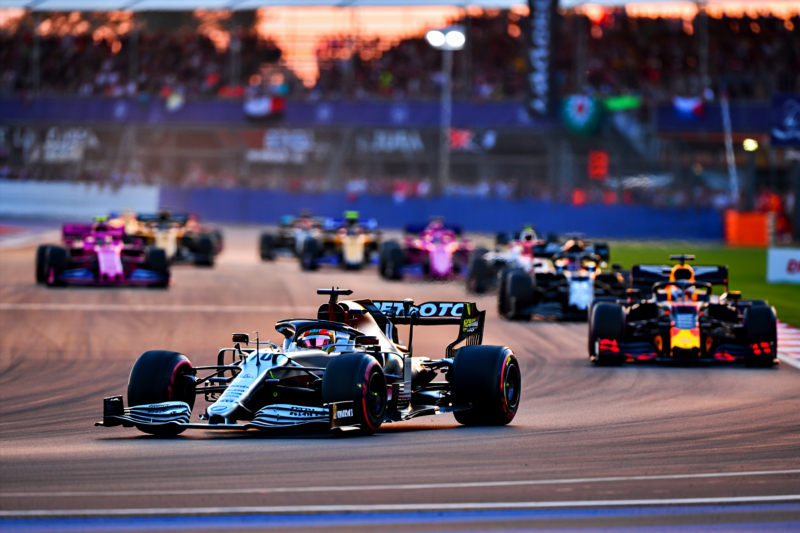
Midfield Versus Front-Runner Goals: How Strategies Drive Team Success in Formula 1
In the high-octane world of Formula 1, every team operates with distinct goals aligned with their position in the championship standings. Front-runner teams, often battling for race victories and championships, employ aggressive and innovative strategies to maximize performance. Conversely, midfield teams focus on consistent point-scoring, development, and avoiding costly errors. Recognizing these differing objectives is crucial — it shapes everything from pitstop tactics to tire management and race pace strategies.
This article dives into how strategic targets differ between midfield and front-runner teams, illustrating how focused goal setting propels teams toward success. Whether you’re an F1 fan, analyst, or team strategist, understanding these nuances unlocks a deeper appreciation of racing tactics and performance optimization.
Front-Runner Teams: Strategies Aim for Victory and Championship
Core Objectives for Front-Runners
- Maximize race wins and podium finishes
- Secure championship points consistently
- Implement cutting-edge upgrades and innovative strategies
- Dominate qualifying sessions to gain advantageous grid positions
Strategy Focus Areas for Front-Runners
- Aggressive Qualifying Tactics
- Employing risk-reward tire strategies during pole attempts
- Optimizing fuel loads and engine modes for fastest laps
- Race Strategy: Precision and Flexibility
- Timing pitstops for optimal track position (e.g., under virtual or full safety cars)
- Managing tire degradation with targeted pitstop windows
- Adapting to real-time weather changes and regulation updates
- Development and Upgrades
- Pushing technological boundaries to gain marginal gains
- Iterative upgrade rollout aligned with race calendar
Midfield Teams: Goals Centered on Consistency and Progression
Core Objectives for Midfield Teams
- Achieve steady points finishes to secure championship standing
- Develop driver skills and car performance
- Minimize mistakes and penalties
- Avoid costly tire or fuel miscalculations
Strategy Focus Areas for Midfield Teams
- Reliability and Risk Management
- Opting for conservative tire strategies to ensure finishability
- Managing fuel consumption to avoid penalties or failures
- Qualifying and Race Pacing
- Prioritizing safe qualifying laps to ensure good starting positions without overextending
- Implementing tactical race plans that focus on consistent lap times
- Development and Data-Driven Adjustments
- Using race data for incremental improvements
- Testing new components during less critical races for long-term gain
Key Differences in Strategy Targets: Side-by-Side Comparison
| Strategy Element | Front-Runner Teams | Midfield Teams |
| Qualifying Paces | Aggressive, risk-taking for pole position | Conservative, reliable laps |
| Pitstop Strategy | Shorter, optimized for track position | Longer, safer to avoid errors |
| Tire Management | Maximize grip and lifespan quickly | Preservation for consistency |
| Upgrades and Development | Continuous, cutting-edge innovations | Focused on reliability and incremental gains |
| Weather Strategy | Dynamic, quick adaptation to conditions | Cautious, risk-averse adjustments |
| Overall Goals | Victory, championship, technical dominance | Steady points, development, stability |
How Strategy Differentiation Contributes to Success
By tailoring strategies to their specific goals, teams optimize their chances of success. Front-runners leverage their resources to push boundaries, seeking every opportunity for marginal gains and capitalizing on competitive advantages. Meanwhile, midfield teams aim for reliability, avoiding errors that could compromise their points haul, and focus on continuous improvement over fleeting performance spikes.
FAQs: Common Questions About F1 Team Strategies
Q: Do front-runners take more risks during races? Yes. To gain or maintain race lead, front-runners often adopt aggressive tire strategies, short pitstops, and bold overtaking tactics. This aggressive approach is balanced with real-time data analysis, telemetry insights, and driver skill.
Q: Why do midfield teams often adopt more conservative strategies? The risk of culminating in a retirement or losing positions outweighs the potential gains from aggressive tactics. Consistency, reliability, and incremental progress are prioritized to steadily accrue points across the season.
Q: How do weather conditions influence strategic goals? Weather events often dictate adaptive strategies. Front-runners may seize opportunities with quick pitstops or switchable engine modes, while midfield teams may focus on safety and risk mitigation to prevent errors during unpredictable conditions.
In Formula 1, understanding how midfield and front-runner teams set and pursue their strategic goals illuminates the sport’s complexity. Success isn’t merely a matter of raw speed — it’s about aligning tactics with objectives, whether that’s winning races or securing consistent points. Front-runner teams chase innovation and maximum performance, while midfield squads prioritize reliability and steady growth.
By dissecting these strategic differences, fans, analysts, and teams themselves can appreciate F1 as a highly engineered, human-driven system with each decision tailored toward specific, measurable goals. Discovering these nuances not only enhances viewing enjoyment but also informs smarter predictions and more insightful analysis.
Explore more detailed race strategies, telemetry insights, and season-long trends on YourStop F1 — your comprehensive platform for understanding Formula 1 as a running engineering masterpiece and human performance arena.