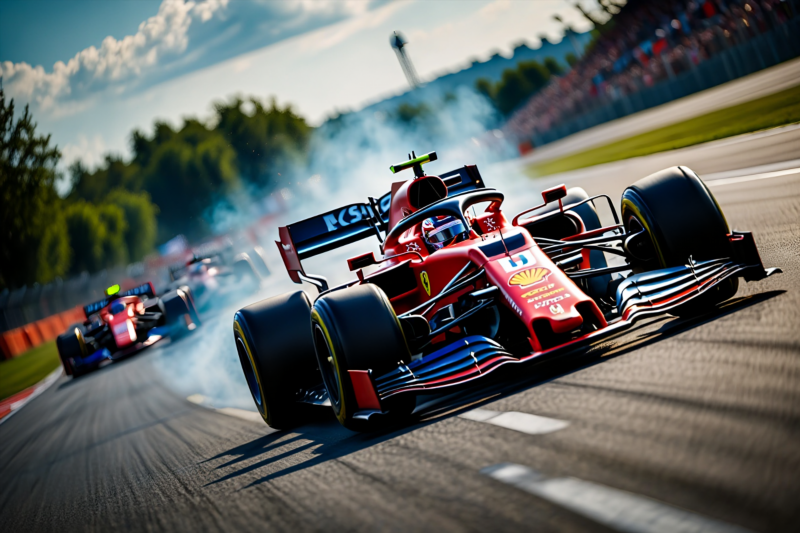
Overtaking Science: Battery Deployment Strategies to Boost Slipstream Speed
Unlocking the Secrets of Overtaking in Formula 1
In the高速 world of Formula 1, overtaking remains one of the most thrilling and critical aspects of racing. Advanced technology, precise engineering, and strategic cunning come together to create opportunities on the track. At the heart of these strategies lies the sophisticated management of the F1 hybrid battery system, which can significantly influence slipstream gains and corner performance.
This detailed guide explores how optimal battery deployment strategies can enhance slipstream speed and corner setups, delivering a competitive edge in qualifying and race scenarios. Whether you’re a passionate fan, a race analyst, or a driver strategist, understanding these intricacies can elevate your appreciation of racing dynamics.
The Role of Battery Deployment in Overtaking Dynamics
What is Battery Deployment in F1?
In modern Formula 1, the hybrid power unit combines an internal combustion engine with an Energy Recovery System (ERS), which includes a battery. Strategic battery deployment involves managing the electrical energy flow to maximize acceleration, boost slipstream efficacy, and improve corner exit speed.
Key elements include:
- ERS Power Mode Activation: Increasing electrical power for overtaking maneuvers.
- Battery Charging: Regulating energy regeneration during braking and deceleration.
- Deployment Timing: Deciding when to deploy stored energy for maximum effect.
Table 1: Components of Battery Deployment Strategies
| Component | Function | Impact on Overtaking |
| ERS Boost Mode | Provides extra power during acceleration | Enhances slipstream speed and corner exit |
| Regeneration Control | Manages energy recovery | Ensures sufficient energy reserves |
| Deployment Timing | Optimal usage of stored energy | Critical for overtaking at precise moments |
| Battery Charge Level | State of charge influencing power availability | Limits or maximizes power potential |
Strategies for Optimizing Battery Use in Slipstream and Corner Setups
1. Enhancing Slipstream Speed through Battery Boosting
Slipstream overtaking relies on drafting behind the leading car to reduce aerodynamic drag. To capitalize on this, drivers can deploy the battery at strategic moments:
- Approach Zone: Activate ERS boost as you enter the slipstream zone to build momentum.
- Long Straight: Sustain electrical power to maximize acceleration after exiting the draft.
- Final Push: Use a targeted battery deployment just before the braking zone to gain an advantage into the corner.
Pro Tip: Using telemetry-style data, engineers advise deploying around 70-80% of battery capacity during straight-line overtaking to balance power reserves for subsequent corners.
2. Corner Exit and Underpinning Performance
Maximizing corner exit speed is crucial for successful overtakes. Battery deployment strategies include:
- Late-Stage Burst: Activate ERS just before corner exit for extra torque.
- Weighted Energy Use: Reduce energy use during entry and mid-corner, saving it for the exit phase.
This approach ensures the car can accelerate aggressively out of corners, making overtaking attempts more effective and sustainable.
Common Pitfalls and How to Avoid Them
| Pitfall | Consequence | Solution |
| Overusing battery early | Battery depletion before critical overtaking zones | Manage deployment duration and timing; conserve energy for key moments |
| Inadequate regeneration | Insufficient energy for future boosts | Optimize braking strategies for maximum energy recovery |
| Poor timing | Missed overtaking opportunities | Use predictive analytics and telemetry data to pinpoint optimal deployment windows |
Integrating Weather, Track, and Regulation Factors
Optimal battery deployment isn’t static; it adapts to changing conditions:
- Weather Influence: Rain or high tire wear may require conservative energy use.
- Track Characteristics: High-speed circuits favor longer ERS boosts on straights; tight corners demand strategic energy conservation.
- Regulation Changes: F1 regulations increasingly emphasize energy management, requiring precise deployment planning.
Post-Race Insights: Analyzing how teams adjusted battery deployment during varying conditions reveals the importance of dynamic strategies and real-time data utilization.
Understanding and executing effective battery deployment strategies can substantially elevate an F1 driver’s overtaking potential. By skillfully managing hybrid energy—maximizing slipstream gains and corner performance—teams turn technical advantage into race-winning acts.
Key Takeaways:
- Deploy battery boosts during critical overtaking zones for maximum advantage
- Balance energy regeneration and consumption to sustain power throughout the race
- Use telemetry and trend analysis to refine timing and strategy
Final Thought: The Future of Overtaking Science in F1
As Formula 1 continues to evolve with even more sophisticated hybrid systems and regulation shifts, mastering battery deployment strategies will become increasingly essential. Teams that leverage data-driven insights and neuromarketing-inspired influence tactics in race strategy planning will stay ahead of the competition.
Ready to harness the power of overtaking science? Stay tuned for in-depth breakdowns, telemetry analyses, and expert interviews that reveal how to turn battery management into your secret weapon on the track.
Call to Action: For race teams, analysts, or passionate fans eager to deepen their understanding of *overtaking science* and *battery deployment strategies*, subscribe to our newsletter or contact us for tailored insights and workshops designed to decode the technical nuances behind every overtaking move.
YourStop F1: Where advanced data transforms into winning logic — follow us for continuous updates, analytics, and expert commentary on every Grand Prix weekend.