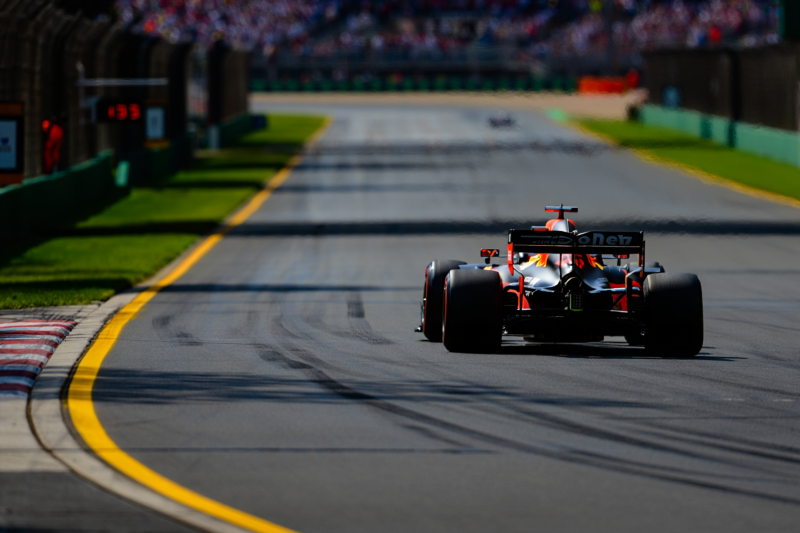
In Formula 1, timing is everything—especially when it comes to pit stops aimed at achieving the absolute fastest lap. Knowing when to pit can make the difference between setting a new personal best or losing precious seconds on the track. This guide dives into the critical considerations behind pit stop timing, balancing speed, risk, and reward to help drivers and teams optimize their strategies for maximum performance.
The Importance of Optimal Pit Stop Timing
Why Does Pit Stop Timing Matter?
- Maximize tire performance: Fresh tires provide better grip and lap times.
- Manage track conditions: Weather changes influence tire choice and pit timing.
- Control race flow: Strategic pit stops can capitalize on safety cars or avoid traffic.
- Reduce risk of errors: Poor timing can lead to penalties, traffic, or tire degradation.
The Challenge
Timing a pit stop involves weighing the potential gains of a fresh set of tires against the time lost during the stop itself. The goal? Minimize overall lap time by finding the sweet spot where the benefits outweigh the costs.
Factors Influencing the Decision to Pit
1. Tire Wear and Temperature
- Degradation rates vary with track temperature, compound, and driving style.
- Key insight: The fastest lap often occurs when tires are at optimal temperature—sometimes just before they start degrading.
2. Track and Weather Conditions
- Rain or changing weather can abruptly alter optimal timing.
- Track evolution: As the surface heats up or cools down, grip levels fluctuate, affecting the ideal pit window.
3. Traffic and Track Position
- Ongoing traffic can impact lap times and risky overtaking.
- Strategic timing: Pitting during safety car periods can reduce lost time and improve pace.
4. Regulation and Safety Car Periods
- Safety cars can provide an opportunity for pit stops with minimal time loss.
- Caution: Pitting under yellows might trap you behind slower cars unless timed precisely.
Risks and Rewards of Pit Stop Timing
Rewards of Well-Timed Pits
- Enhanced tire performance: Fresh tires can shave seconds off lap times.
- Better track position: Gaining track position for qualifying or final laps.
- Optimized strategy: Synchronization with other teams’ pit windows.
Risks of Poor Timing
- Increased lap time: Waiting too long risks tire degradation impacting speed.
- Traffic and overtaking issues: Pitting at the wrong time may lead to traffic congestion.
- Penalties: Incorrect timing or exceeding allowed pit stop regulations.
Strategic Approaches for Fastest Lap Pitting
When to Consider Pitting
| Scenario | Explanation | Advantage | Disadvantage |
| Near optimized tire wear | Optimal tire temperature and grip | Potential apex for fastest lap | Less margin for error |
| During safety car or yellow flags | Reduced time loss | Improves track position | Risk of being behind traffic after restart |
| Late in the race | Fresh tires and clear track | Best chance for fastest lap | Possible time loss from earlier stints |
Timing Tips
- Monitor tire temperature and degradation data: Aim to pit just before tires lose grip.
- Observe weather forecasts: Anticipate rain or temperature drops.
- Analyze race pace trends: Identify when your lap times peak and plan accordingly.
- Leverage telemetric insights: Use real-time data to decide the optimal moment.
Tools and Data to Inform Pit Stop Decisions
Telemetry and Race Data Analysis
- Tire temperature and wear sensors
- Lap time and sector analysis
- Weather stations and surface temperature sensors
- Simulation models: Use software to test different strategies before race day.
Post-Race Debriefs and Season Trend Tracking
- Analyze past decisions to improve future pit timing.
- Use insights to refine your understanding of when drivers perform at their fastest.
FAQs: When Should You Pit for the Fastest Lap?
Q1: Is it better to pit early or late for the fastest lap?
Answer: It depends on the race context. Pitting early offers fresh tires sooner, but waiting until tires are at their peak performance—just before degradation—usually yields the best lap times.
Q2: How does weather influence pit timing?
Answer: Rain or temperature shifts can accelerate tire degradation or improve grip. Adjust pit timing accordingly to capitalize on these conditions—often, a late pit under changing weather conditions can secure a faster lap.
Q3: Can safety cars be used strategically for pit stops?
Answer: Absolutely. Pitting during safety car periods minimizes time loss, giving you fresher tires and a better chance at a fast lap once the race restarts.
Mastering pit stop timing is an intricate dance of real-time data analysis, tactical insight, and understanding tire and track dynamics. By carefully assessing tire health, weather, traffic, and race context, drivers and teams can maximize the potential for a fastest lap while managing inherent risks. Whether during a late race push or a strategic safety car period, optimal pit timing can elevate performance from good to record-breaking.
Take Action Today
Leverage YourStop F1’s comprehensive insights—from telemetry explanations to season-long trend tracking—to refine your pit stop strategies. Stay ahead of the pack by translating complex data into simple, actionable decisions that push your fastest laps to new heights.
Remember: In Formula 1, timing isn’t just everything—it’s the decision that can make or break your fastest lap.