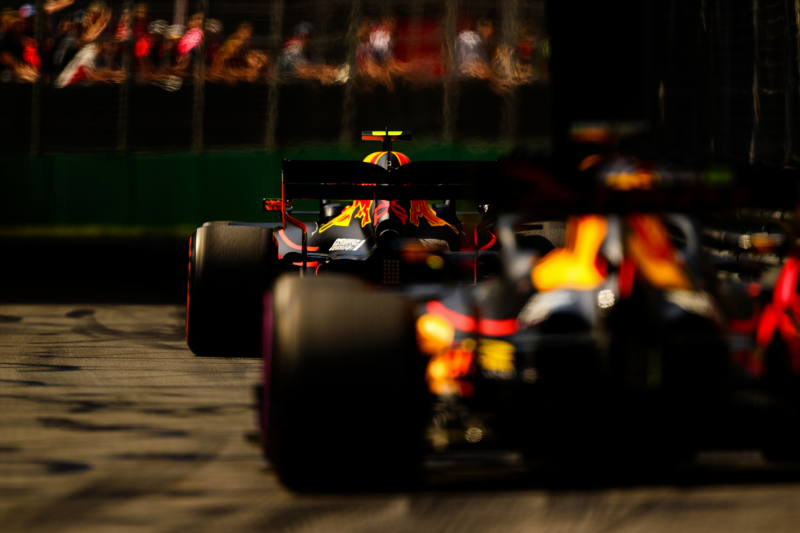
PitStop Strategy 2025/26: One-Stop Versus Two-Stop – Making Rapid, Data-Driven Decisions
In the high-stakes world of Formula 1, decision-making during a race can mean the difference between victory and defeat. One of the most critical choices teams face is selecting the ideal pitstop strategy—whether to opt for a one-stop or two-stop approach. This decision hinges on a complex interplay of factors, including tire degradation, track conditions, race pace, and current car performance. Understanding how teams analyze these variables rapidly allows fans and analysts to appreciate the precision and ingenuity behind F1 strategy.
The Importance of PitStop Strategy in Modern F1
F1 teams aim to maximize performance by minimizing time lost during pitstops and leveraging tire management to maintain optimal grip and speed. Choosing between a one-stop and a two-stop strategy is not just a quick call; it’s a dynamic decision process rooted in real-time data analysis and predictive modeling.
Key Factors Influencing PitStop Strategy Decisions
Teams evaluate several critical elements when deciding between one-stop and two-stop strategies. These factors are closely monitored and analyzed via telemetry, sensor data, and weather forecasts:
| Factor | Description | Impact on Strategy |
| Tire Degradation | How quickly tires lose grip and effectiveness over laps. | Affects the number of laps a tire can last. |
| Track Temperature | Warm or hot conditions accelerate tire wear. | Higher temperatures often favor more stops. |
| Race Pace and Fuel Load | Car speed with current fuel load and tire condition. | Influences how long tires can last at pace. |
| Weather Conditions | Rain, humidity, and track temperature fluctuations. | Sudden changes necessitate rapid strategic shifts. |
| Safety Car Periods | Interruptions that allow quick pitstops and may alter strategy. | Can promote a shift toward one strategy or another. |
| Position and Defense | Position relative to competitors and the need to defend or overtake. | Ensures strategic choices align with race tactics. |
One-Stop Versus Two-Stop Strategy: Pros and Cons
Understanding the trade-offs helps teams decide quickly on the best approach:
One-Stop Strategy
- Advantages:
- Fewer pitstops mean less time lost on the track.
- Maintains consistency and reduces the risk of mistakes during pitstops.
- Disadvantages:
- Heavily reliant on tire durability; risk of excessive degradation.
- Slightly compromised performance if tires deteriorate faster than expected.
Two-Stop Strategy
- Advantages:
- Shorter stint lengths can allow for quicker lap times.
- Flexibility to adapt to changing conditions and potentially better tire management.
- Disadvantages:
- Increased pitstop frequency increases the risk of errors.
- Time lost during each pitstop can negate potential gains from shorter stints.
How Teams Make Rapid Strategic Decisions
In the high-octane environment of F1, teams utilize a blend of technological tools and experience to make split-second decisions:
- Telemetry & Data Analytics: Real-time telemetry data feeds into predictive algorithms to evaluate tire wear, fuel consumption, and car performance.
- Simulation Models: Teams run simulations to compare hypothetical race scenarios with current conditions.
- Weather Radar & Forecasts: Immediate weather updates influence whether to extend a stint or pit early.
- Driver Feedback: Drivers’ sensations provide invaluable insights for fine-tuning strategies.
The Role of AI and Machine Learning in Strategy Optimization
Modern F1 teams leverage AI-driven tools that analyze thousands of data points to recommend optimal strategies:
| Technology | Application | Benefit |
| AI-Powered Predictive Models | Forecast tire wear and race pace under various conditions. | Accelerates decision-making accuracy. |
| Machine Learning Algorithms | Analyze past races and current data for strategy pattern recognition | Supports rapid strategy adjustments. |
Real-Life Examples from Recent Races
- *Case Study 1:* During the 2025 Australian Grand Prix, a sudden rainstorm prompted teams to switch strategies rapidly, demonstrating the importance of predictive weather analysis.
- *Case Study 2:* In last season’s Monaco GP, a well-timed pitstop for tire change led to a strategic advantage for the winning driver, highlighting the importance of timing and data interpretation.
FAQ: Common Questions About PitStop Strategy
Q: How do teams decide whether to shift from one-stop to two-stop mid-race? A: Teams monitor tire wear and track conditions continuously. If tire degradation exceeds expectations or weather changes, they quickly adapt their strategy based on predictive data and real-time telemetry.
Q: Can driver preferences influence pitstop strategies? A: Absolutely. Drivers can provide feedback on tire behavior and grip levels, which, combined with data, helps teams fine-tune their strategic decisions.
Q: How critical is timing in executing a pitstop? A: Extremely. The timing of the pitstop—whether during a safety car period or a natural lull—is crucial to minimizing time loss and maintaining race position.
In 2025/26 Formula 1, the choice between a one-stop and two-stop strategy hinges on rapid analysis of real-time data, environmental conditions, and race dynamics. Teams that adeptly interpret telemetry and forecast models can make smarter, faster decisions—gaining a crucial edge on the track. Whether you’re a fan, analyst, or aspiring strategist, understanding the intricacies of pitstop strategy reveals the incredible engineering and human performance behind every lap.
Ready to explore more about F1 strategies? Dive into our detailed race analysis, trend tracking, and driver insights at YourStop F1—your ultimate source for comprehending F1’s precision engineering and human expertise.