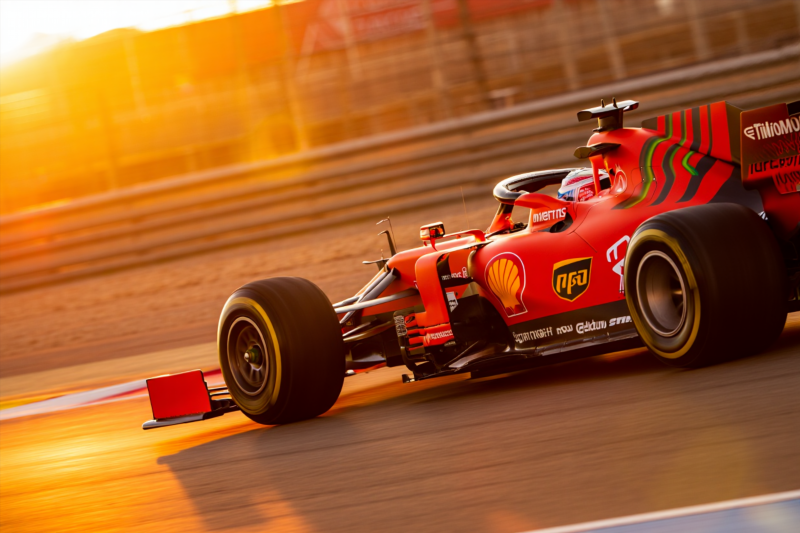
In Formula 1, understanding the nuanced differences between qualifying pace and race speed is crucial for teams, analysts, and passionate fans alike. These performance metrics are often misunderstood, yet they hold the key to deciphering race outcomes and strategic decisions. This article uncovers the factors behind the disparity between qualifying and race performance, providing insights that can help optimize car setup, tire management, and overall race strategy.
Why Do Cars Perform Differently in Qualifying and the Race?
The Core Differences in Performance Goals
Qualifying is all about pushing the car to its absolute limit over a single, fast lap. The goal is maximum speed and optimal tire temperature, often sacrificing durability and consistency. Conversely, race pace emphasizes stability, fuel management, tire conservation, and consistent lap times across multiple laps and stints.
Key Factors Contributing to Disparities
| Factor | Impact on Qualifying | Impact on Race |
| Tire Temperature & Compound | Highest grip level, softer compounds, optimal temp. | Maintaining tire health, balancing grip with durability. |
| Fuel Load | Low fuel loads contribute to lighter, more agile cars. | Heavy fuel loads at race start reduce acceleration and top speed. |
| Engine & Battery Modes | Maximized for short burst performance. | Managed for endurance, efficiency, and reliability. |
| Aerodynamic Setup | Adjusted for maximum downforce and minimal drag. | Balance between downforce and drag for sustained performance. |
| Track Conditions & Weather | Favorable conditions can lead to faster qualifying laps. | Varying conditions impact tire wear and grip during race. |
Technical Aspects of Performance Differences
Aerodynamic Setup: Speed vs. Durability
- Qualifying setups are optimized for maximum downforce and minimal drag, allowing cars to reach top speeds over a single lap.
- Race setups often reduce downforce slightly to balance tire wear and improve handling at higher tire degradation rates.
Tire Strategy and Management
- Softer, grippier tires used in qualifying provide higher speed but wear out quickly.
- During races, teams opt for harder compounds or different strategies to extend tire life, affecting overall speed.
Fuel Load and Its Effect
- Lighter fuel loads during qualifying make cars faster but are not sustainable for the duration of the race.
- Races start with heavier fuel, reducing acceleration and speed but enabling longer stints.
How to Use This Knowledge for Better Race Strategy
For Teams and Engineers
- Tune your car setup based on forecasted track conditions, balancing qualifying speed with race longevity.
- Develop adaptive strategies for tire and fuel management that capitalize on qualifying performances.
For Fans and Analysts
- Use qualifying data as an indicator of potential race pace under ideal conditions.
- Recognize the strategic importance of qualifying positions and how they influence race outcomes.
Common Questions About Qualifying and Race Performance
Why is a driver faster in qualifying but not in the race?
The driver pushes the car to its limit during qualifying, using optimal tire conditions and low fuel loads—something not sustainable in a race scenario. In the race, caution and strategy take precedence over outright speed.
Can a slower qualifying car still win the race?
Absolutely. Especially with effective tire and fuel management, a car that starts lower can conserve resources, adapt to changing conditions, and leverage strategic pits for a podium finish.
How does weather influence performance differences?
Wet or changing track conditions can negate qualifying speed advantages, leveling the field and emphasizing driving skill and strategy over pure pace.
Final Thoughts: Mastering the Balance
Understanding why cars perform differently in qualifying and the race is essential for navigating F1’s complex ecosystem of engineering precision and strategic decision-making. By analyzing these factors, teams can leverage their strengths and adapt dynamically to maximize results.
Unlock the full potential of your F1 insights — stay ahead with YourStop F1, your comprehensive resource for race analysis, strategy breakdowns, and driver-focused insights.
Ready to Dive Deeper? Explore our detailed telemetry explanations, post-race debriefs, and season-long trend tracking to stay informed and elevate your F1 understanding.
*Contact us today and transform data into winning strategies!*