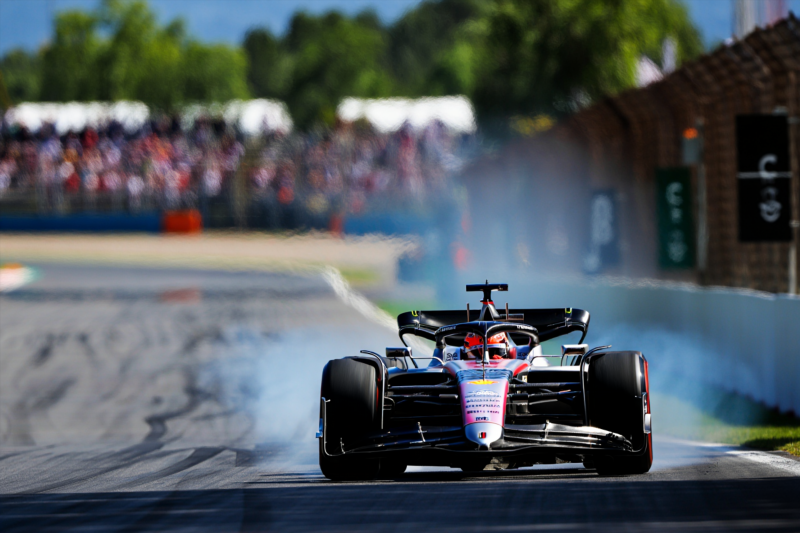
Race Starts Deep Dive: Maps, Clutch Control, and First Lap Safety Unlock Your Full Potential at the Opening Bell of the Race
In Formula 1, the race start is often where podium positions are won or lost. A flawless launch can set the tone for the entire race, leveraging every ounce of engineering precision, driver skill, and strategic planning. YourStop F1 offers an in-depth analysis of race start strategies, providing critical insights into clutch mechanics, start maps, and first lap risks. By mastering these elements, drivers and teams can enhance performance, build confidence, and gain a strategic edge.
Understanding Race Start Strategies
Race start success hinges on a combination of technical execution and tactical planning. Here’s what you need to know:
- Start Maps: Pre-set engine modes that manage throttle response and power delivery during the start, optimized for quick, consistent launches.
- Clutch Control: Precise modulation of clutch bite point and engagement to ensure optimal torque transfer and smooth acceleration.
- First Lap Risks: Identifying potential pitfalls such as wheelspin, stalling, or contact, and planning accordingly to maximize track position.
Deep Dive into Maps and Clutch Mechanics
Race Start Maps: Optimizing Power at the Green Flag
Teams utilize specific engine maps tailored for starting procedures:
- Aggressive Start Map: Prioritizes maximum power output for rapid acceleration but can increase tire wear and wheelspin.
- Balanced Start Map: Offers a compromise, reducing risk while still providing a strong launch.
- Conservative Start Map: Focuses on reliability, suitable for uncertain conditions or when safety is a priority.
*Tip:* Many teams develop custom maps based on driver preferences and track specifics, making understanding and selecting the right map a cornerstone of race start strategy.
Clutch Bite Point: The Art of Precision Engagement
The clutch bite point — the specific position where the clutch engages — is crucial:
| Bite Point Levels | Characteristics | Best Use Cases |
| Early Engagement | Clutch engages near the release point | Risk of wheelspin; requires skillful throttle control |
| Mid Engagement | Balanced point for smooth start | Common for standard launches |
| Late Engagement | Clutch engages closer to fully released | Requires precise timing; reduces wheelspin but demands driver experience |
*Pro Tip:* Regular practice and team calibration are essential. Drivers should pre-test clutch bite points during warm-up or training sessions to ensure consistency under race conditions.
First Lap Risks: Strategies for Safety and Success
The initial lap is fraught with potential hazards:
- Wheelspin and Slip: Poor clutch engagement or throttle application can cause loss of traction.
- Contacts and Collisions: Busy start grids increase the risk of contact with other cars.
- Stalling or False Starts: Mechanical or human errors can end ambitions immediately.
Risk Mitigation Tactics
- Simulate Start Scenarios: Use data-driven simulations to anticipate and prepare for various conditions.
- Clear Communication: Drivers should coordinate with their teams for optimal start mode selection.
- Focus on Consistency: Prioritize predictable, controlled launches over aggressive but risky starts.
Tools and Data to Improve Your Race Start Performance
- Start Maps Customization: Use telemetric data to fine-tune engine maps for individual driver preferences.
- Clutch Control Drills: Practice clutch engagement points in training to develop muscle memory.
- Start Simulations: Leverage virtual track sessions to rehearse and evaluate different strategies.
- Weather and Track Conditions: Always analyze forecast data to adjust start tactics accordingly.
By understanding and implementing advanced strategies around start maps, clutch control, and risking first lap mishaps, drivers can significantly improve their performance. YourStop F1 tools and insights—from telemetry analysis to detailed risk maps—are invaluable for teams aiming to refine their race start techniques. Remember, a confident, precise launch not only wins positions but also sets the tone for a successful race.
Ready to elevate your race starts? Explore our comprehensive data analysis tools and expert tips today—turn insights into victory on the track.