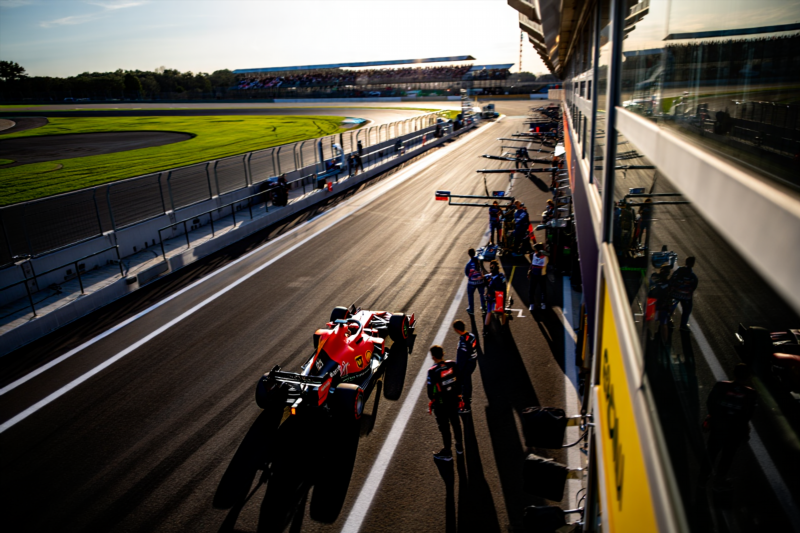
Sprint Weekend Strategies for Limited Practice and Race Success
In modern Formula 1, sprint weekends have revolutionized the race calendar, offering fans additional excitement and teams new strategic challenges. Unlike traditional Grands Prix, these weekends feature limited practice sessions—often just a single session on Friday—followed by a sprint race that sets the grid for Sunday. This condensed schedule demands teams and drivers to make rapid, highly informed decisions, especially when it comes to *park ferm warps* and strategy execution. Effective management of these constraints is crucial for maximizing performance and achieving overall race success.
Understanding the Sprint Weekend Dynamics
Limited Practice Sessions: A Double-Edged Sword
- Reduced Data Collection: Teams only have one practice session to fine-tune car setups, analyze tire behavior, and evaluate upgrades.
- High Stakes: Every lap counts; mistakes can be costly as there’s little room for error.
- Rapid Decision-Making: Strategies, including tire choices and fuel loads, must be formulated swiftly with limited insights.
The Role of Park Ferm Warps
- What Are They? Park Ferm Warps involve strategic positioning of the car during certain phases—such as pit stops or resets—to minimize time loss or optimize tire performance.
- Strategic Importance: Proper deployment can protect against traffic, enhance tire degradation management, and improve overall race pace.
Key Strategies for Sprint Weekend Success
1. Optimizing Limited Practice Time
Prioritize Critical Data Gathering:
- Focus on setting baseline lap times that reflect optimal tire performance.
- Collect detailed telemetry on tire temperatures, pressures, and degradation to inform race strategies.
Maximize Qualifying Simulations:
- Conduct time-attack runs to benchmark car performance and identify upgrade impacts.
- Use these insights to develop a clear plan for sprint race start positions and tire allocation.
2. Mastering Tire Behavior Under Limited Data
- Analyze Tire Wear Patterns: Use available data to anticipate degradation, tailoring race strategies accordingly.
- Pre-Plan Tire Strategies: Decide on compound choices and stint lengths in advance, covering possible weather and track conditions.
3. Effective Use of Park Ferm Warps
| Strategy Aspect | Implementation Tips | Expected Benefits |
| Timing of Warps | Coordinate with pit stops or safety car periods | Minimize time loss and optimize tire performance |
| Positioning | Use track knowledge to select optimal spots for resets | Avoid traffic and maximize aerodynamic efficiency |
| Communication | Maintain clear driver-team signals for executing warps | Reduce errors and improve execution consistency |
4. Strategizing Around Weather and Regulation Changes
- Monitor weather forecasts aggressively, as limited sessions leave little room for on-the-fly adjustments.
- Stay abreast of regulation updates to leverage any available advantages—such as changes in parc fermé rules affecting setup options.
Postrace Insights and Long-term Trend Tracking
- After each sprint weekend, analyze telemetry and race data to refine future practice and race strategies.
- Track season-long performance trends, focusing on how your team’s approach to limited practice and park ferm warps influences results.
Frequently Asked Questions
Q1: How can teams compensate for limited practice sessions? *By prioritizing critical data collection, conducting targeted simulations, and utilizing real-time telemetry to make informed decisions swiftly.*
Q2: What makes park ferm warps so vital during sprint weekends? *They enable strategic positional advantages, helping manage tire degradation, reduce traffic interference, and optimize race pace with minimal laps of data.*
Q3: How do weather changes impact limited practice strategies? *Limited data increases uncertainty; proactive weather monitoring and pre-planned contingency strategies are essential.*
Successfully navigating sprint weekends requires a blend of rapid data analysis, strategic use of park ferm warps, and adaptive planning. By focusing on these core areas, teams can compensate for limited practice sessions, optimize performance, and position themselves for race victory. Embracing these strategies positions fans, analysts, and teams alike to decode the complex orchestration of F1 racing—transforming limited data into decisive, winning actions.
Ready to take your F1 knowledge to the next level? Stay tuned with *YourStop F1* for in-depth race analysis, strategy breakdowns, and expert insights tailored for passionate fans and serious analysts alike.