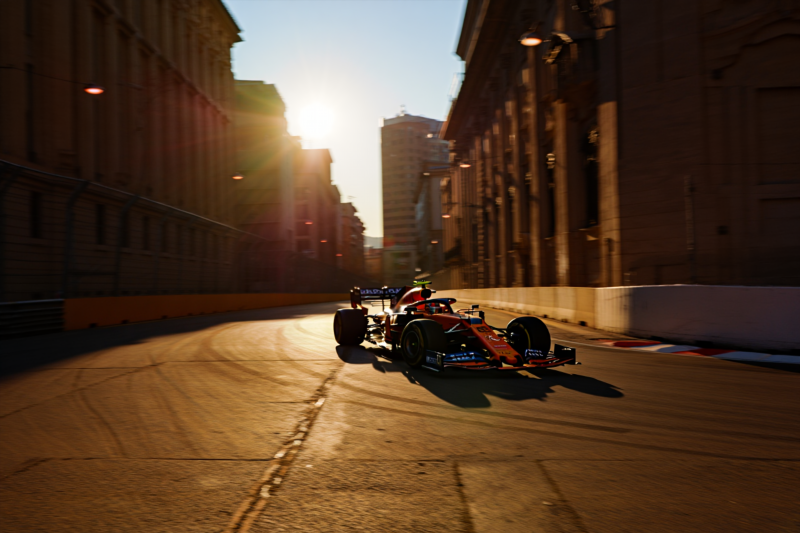
Unlocking the Secrets of Street Circuit Strategy and Setup
YourStop F1 is your ultimate destination for deep insights into Formula 1 race analysis, comprehensive strategy breakdowns, and driver-focused intelligence across every Grand Prix weekend. As F1 evolves into an intricate blend of engineering precision, human performance, and strategic mastery, understanding the nuances of street circuit races like Monaco, Singapore, and Jeddah has never been more critical for teams and fans alike.
In this article, we explore key tactics and setup variations specific to these iconic street races, helping teams optimize performance, overcome unique challenges, and secure victory.
The Unique Challenges of Street Circuits
Unlike traditional high-speed tracks, street circuits introduce distinctive obstacles:
- Narrow racing lanes
- Limited overtaking opportunities
- Uneven surface grip
- Tight corners and elevation changes
- Environmental influences like city heat and artificial lighting
Success hinges on tailored strategies and finely tuned vehicle setups that respond to these conditions. Let’s analyze each race in detail.
Monaco: Mastering Precision and Consistency
Key Characteristics of Monaco
- Limited overtaking opportunities due to narrow streets
- Heavy reliance on qualifying performance
- Emphasis on race strategy, tire management, and flawless execution
Optimal Strategies for Monaco
| Strategy Aspect | Recommendations |
| Qualifying Focus | Maximize Q3 performance to secure pole position |
| Tire Management | Prioritize softer compounds initially; means earlier pit stops to switch to hard tires for consistency in a processional race |
| Pitstop Strategy | Single stop usually optimal; timing crucial to avoid traffic |
| Weather Considerations | Prepare for unpredictable weather; rain can dramatically alter race dynamics |
Setup Variations for Monaco
- Low Downforce Settings | Increase rear stability and precision for tight corners
- Reduced Wing Angle | Minimize drag while maintaining grip
- Tire Pressure Adjustments | Slightly higher pressures for improved responsiveness
Singapore: Combating Heat and Fatigue on a Street Circuit
Race Environment Specifics
- Humid, Hot Climate causing tire degradation and driver fatigue
- Long lap times and intense concentration demands
- Complex layout with frequent turns and strategic overtaking zones
Winning Strategy for Singapore
| Strategy Element | Key Tactics |
| Tire Strategy | Longer stints with softer tires; vigilant management to avoid blistering |
| Fuel Management | Conservative early laps; optimize for final runs |
| Driver Comfort & Focus | Support teams use telemetry to monitor driver fatigue indicators |
| Overtaking and Resilience | Flexible pace adjustments; capitalize on safety cars or weather disruptions |
Setup Preferences for Singapore
- Higher Downforce Levels | Improve cornering grip to handle complex corners
- Enhanced Cooling Systems | Reduce overheating of brakes and power units
- Adjusted Suspension | Absorb bumps and maintain tire contact for consistent grip
Jeddah: Fast, Wide, and Under Pressure
Race Environment Overview
- Fast street circuit with high-speed straights
- Wide avenues allowing some overtaking opportunities
- Often held in rapid succession, demanding quick adaptation
Strategic Insights for Jeddah
| Strategy Focus | Recommendations |
| Aggressive Qualifying | Secure high grid positions to exploit overtaking lanes |
| Aero Setup | Balance between low drag for speed and sufficient downforce for stability |
| Pitstop Strategy | Consider multi-stop tactics; capitalize on safety cars |
| Weather and Lighting | Prepare for heat and potential evening racing conditions |
Setup Considerations for Jeddah
- Moderate Downforce Configuration | For top speed and stability
- Brake Cooling Enhancements | Handle high-speed braking zones efficiently
- Tire Choice and Pressure | Select compounds that balance durability and performance
Expert Insights: How to Adapt and Overcome
- Track-specific data analysis is vital—monitor telemetry for tire wear, brake temperatures, and driver inputs
- Regulation awareness influences strategy—be attentive to safety car deployment patterns and any regulation updates
- Flexibility is key—prepare for unexpected weather changes or incidents that shift race dynamics
Frequently Asked Questions (FAQs)
Why do setup differences matter so much on street circuits?
Because street circuits are inherently less forgiving than traditional race tracks, small setup adjustments—like downforce levels, tire pressures, and suspension stiffness—have amplified impacts on performance, safety, and tire degradation.
Can teams afford to take risks in these races?
While aggressive strategies can sometimes pay off, consistent precision, tire management, and driver skill often lead to better success rates—especially in Monaco and Singapore, where overtaking opportunities are limited.
What role does weather play in strategy formulation?
Weather adds layers of complexity. Sudden rain or extreme heat can cause tire degradation or grip variability, influencing timing for pit stops, tire choices, and overall race tactics.
Success on Monaco, Singapore, and Jeddah requires a blend of meticulous setup preparation, adaptive tactics, and deep understanding of the circuit’s idiosyncrasies. By leveraging data-driven insights and tailoring strategies—whether it’s optimizing tire turnover, adjusting aerodynamics, or managing driver fatigue—teams can gain a competitive edge and turn street races into decisive wins.
Explore more expert insights and real-time data analysis on YourStop F1—your trusted platform for staying ahead in the fast-paced world of Formula 1.
Ready to transform your race strategy? Learn more about our in-depth analytics and race insights now.
*Unlock the secrets of street race success with YourStop F1—where precision meets performance.*