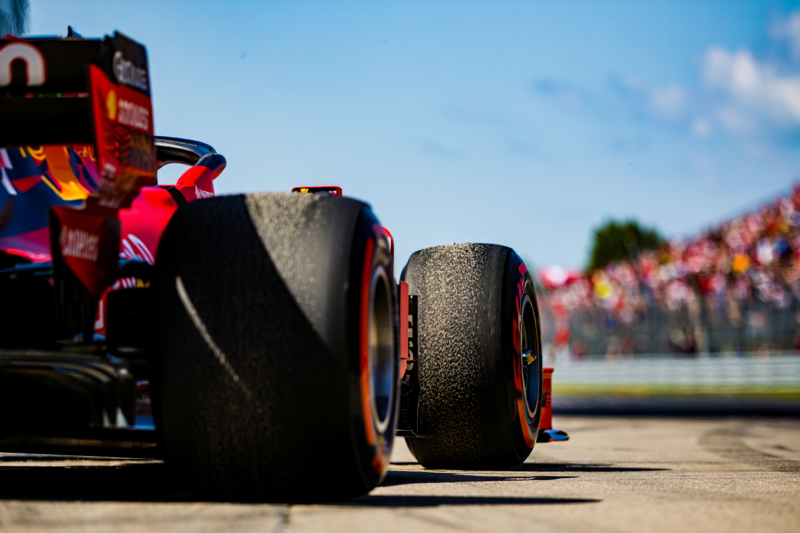
In Formula 1, every decision on track impacts the race outcome—particularly when it comes to managing tire wear and positioning. For teams and fans alike, understanding the trade-off between maintaining track position and exploiting the potential advantages of older tires is critical for crafting effective race strategies. This article delves into the science and tactics behind extending the life of older rubber, helping you optimize performance during crucial moments in a Grand Prix weekend.
The Dynamics of Tire Degradation in F1
Before exploring the balance, it’s essential to understand how tires behave as they age:
- Tire Degradation Factors: speed, temperature, track surface, and driving style accelerate tire wear.
- Tire Performance Curve: maximum grip is often early in the stint, gradually declining over laps.
- Impact of Older Tires: reduced grip but potential advantages in consistency and saving pit stops.
Why Extend the Life of Older Tires?
Drivers and teams sometimes opt to stay out on older rubber for strategic advantages:
- Avoiding Pit Stop Penalties: reducing the number of pit stops can lead to better track positioning.
- Maintaining Momentum: drivers comfortable with the handling on older tires can push consistently.
- Opportunistic Overtaking: older tires can sometimes be used to defend position or attempt late-game passes if managed well.
The Trade-Off: Track Position vs Tire Edge
The Case for Staying Out on Old Tires
Staying out on aged tires is advantageous when:
- Your current position is critical, such as leading or defending against overtakes.
- The track is difficult for overtaking, making a pit stop riskier than the tire degradation risk.
- The conditions favor tire preservation over outright speed, such as variable weather or high track temperatures.
The Risks of Tire Degradation
However, running on older tires can lead to:
- Lack of Grip: increased sliding, longer braking distances, and potential for loss of control.
- Slower Lap Times: as tires age, lap times tend to deteriorate, reducing overall pace.
- Vulnerability to Overtakes: slower corner exit speeds can allow opponents to pass.
Tactical Considerations for Staying Out on Old Rubber
| Scenario | Advantages | Disadvantages |
| Track position preservation | Less time lost in pit lane, control of race | Reduced grip, slower pace |
| High-degradation tires | Opportunity for a surprise in-lap or strategic overcut | Increased risk of tire blowouts or penalties |
| Under favorable weather/track conditions | Consistency and better prediction of tire behavior | May be less effective in rain or unpredictable conditions |
Key Factors Influencing Strategy
- Weather Forecast: Rain or changing conditions can alter the value of older tires.
- Track Position & Overtaking Zones: How difficult is it to overtake? Is gaining or defending position more important?
- Current Race Situation: Are you leading, chasing, or defending? What’s the gap to the closest competitor?
- Tire Compound and Degradation Rate: Softer compounds wear faster but offer more grip initially.
Neuroscience of Decision-Making Under Pressure
In high-stakes races, the decision to stay out on old tires engages neuropsychological factors such as risk assessment, cognitive bias, and perception of control. Successful teams rely on telemetry data, predictive algorithms, and experience to override instinctual risk-aversion and make optimal calls in real time.
Practical Tips to Optimize Your Race Strategy
- Monitor Tire Temperatures and Degradation: Use telemetry insights for real-time decisions.
- Predict Opponent Moves: Anticipate when rivals might pit, and plan counterstrategies accordingly.
- Adjust Driving Style: Moderate throttle and braking to maximize tire longevity without compromising pace.
- Leverage Underlying Data: Use trend tracking from past seasons and telemetry analysis for smarter predictions.
Ultimately, the choice between maintaining track position and exploiting the tire advantage when staying out on older rubber hinges on a nuanced understanding of tire behavior, track conditions, and race context. Well-informed strategies that balance these factors can lead to crucial gains, whether it’s a late-race overtake or a strategic retreat for fresh tires. YourStop F1 continues to translate complex data into clear storylines—empowering fans and analysts to see F1 as a precision system of engineering decisions and human prowess.
Ready to elevate your race strategies? Stay tuned to YourStop F1 for real-time insights, telemetry analysis, and expert breakdowns that help you understand every shift in the race—a key tool for turning data into victory.
Questions?
- How do tire degradation patterns impact race decisions?
- When is it optimal to stay out on old tires versus pitting for fresh rubber?
- How do weather and track conditions influence tire strategy?
Contact us or explore our detailed prediction models to stay ahead of the race.