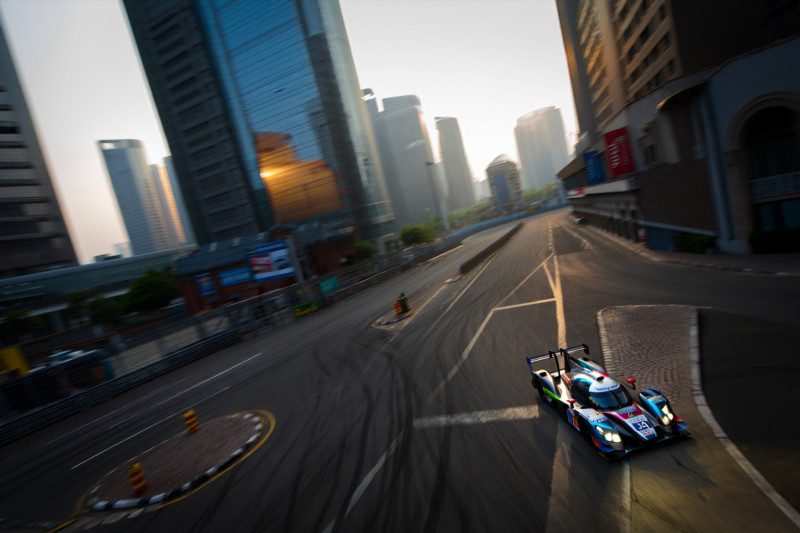
As Formula 1 continues to evolve in 2025, understanding the nuances between street circuits and traditional tracks becomes essential for teams, drivers, and avid fans alike. YourStop F1 offers in-depth race analysis, strategic breakdowns, and driver-focused insights that help decode these differences. This guide explores effective strategies tailored for street circuits versus traditional tracks, empowering stakeholders to optimize performance and make data-driven decisions today.
Understanding the Fundamental Differences
Before adopting specific strategies, it’s crucial to grasp the inherent differences between street circuits and traditional race tracks.
Characteristics of Street Circuits
- Limited Run-off Areas: Higher risk of accidents, requiring precise control
- Narrow Track Widths: Elevated importance of race craft and positioning
- Surface Variability: Often rougher pavement with inconsistent grip levels
- Tight Corners and Shorter Straights: Promotes overtaking opportunities but demands agility
- Weather Influence: Urban environments can magnify weather impact, especially rain
Characteristics of Traditional Tracks
- Designed for High-Speed Racing: Longer straights and ample run-off zones
- Consistent Surface Conditions: More uniform asphalt and grip levels
- Variety of Turn Types: From high-speed corners to technical chicanes
- Predictable Weather Patterns: Less immediate impact from urban microclimates
Strategic Approaches for Street Circuits in 2025
In 2025, street circuits are increasingly featuring hybrid characteristics with complex surface modifications and aggressive scheduling. The following strategies are vital for success:
1. Focus on Tire Management and Grip Optimization
- Adapt to Surface Variability: Use telemetry-style data analysis to select tire compounds offering better grip longevity.
- Pre-Race Tire Testing: Prioritize qualifying simulations to find the optimal balance between pace and tire degradation.
2. Precise Racecraft and Positioning
- Maximize Overtaking Opportunities: Strategize for minimal time loss during overtakes, especially in tight corners.
- Choose Aggressive but Controlled Attack Modes: Leverage driver ratings and telemetry insights for daring moves that minimize risk.
3. Weather and Microclimate Strategies
- Real-Time Weather Monitoring: Employ advanced predictive models to anticipate sudden rain or temperature shifts.
- Flexible Pitstop Plans: Prepare multiple strategy options considering rapid weather changes, enabled by detailed pitstop simulations.
4. Upgrades and Car Setup
- Suspension and Aero Tuning: Focus on setups that improve handling over uneven surfaces and tight turns.
- Brake Management: Prioritize efficient cooling and consistent brake response to endure repeated low-speed corners.
Strategic Approaches for Traditional Tracks in 2025
Traditional circuits offer different strategic opportunities and challenges. Key focus areas include:
1. High-Speed Aerodynamics and Power
- Optimize for Straight-Line Speed: Fine-tune engine and aerodynamic packages to exploit longer straights.
- Fuel and ERS Management: Use telemetry insights to balance power deployment throughout the race.
2. Overtaking and Defensive Driving
- Utilize DRS Effectively: Contextual use of DRS zones for overtaking, supported by seasonlong trend tracking.
- Strategic Under/Overcuts: Leverage pit stop timing based on tire wear and track position data to outmaneuver rivals.
3. Regulate Race Pace and Tire Wear
- Consistent Lap Times: Develop strategies for maintaining tire health over longer stints, using telemetry for real-time adjustments.
- Weather Adaptability: Adjust car setup and race pace in response to changing weather conditions that influence grip and tire performance.
Comparing Strategy Effectiveness: Street Circuits Versus Traditional Tracks
| Aspect | Street Circuits | Traditional Tracks |
| Overtaking | More opportunities, must be opportunistic | Controlled, with DRS zones |
| Tire Strategy | Shorter stints, high degradation | Longer runs, lower degradation |
| Surface Variability | Need adaptable setup | More uniform grip conditions |
| Weather Impact | Highly variable | Less abrupt but still significant |
FAQs: Tailoring Strategies for 2025
How can teams decide between aggressive and conservative approaches on street circuits?
Using telemetry data and real-time weather forecasts, teams analyze tire wear, grip levels, and track conditions. In 2025, integrating AI-driven simulations allows for dynamic decision-making, balancing risk and reward optimally.
What upgrades are most effective for street circuits?
Focus on suspension systems that enhance handling over uneven surfaces, advanced aerodynamics for tighter corners, and brakes with superior cooling capacity for repeated low-speed maneuvering.
How does regulation influence strategy?
Regulation changes in 2025, such as parking restrictions, aerodynamic limits, or powertrain modifications, shape strategic planning. Continuous monitoring of regulation updates, combined with seasonlong trend tracking, is essential for competitive edge.
In 2025, mastering track-specific strategies for street circuits versus traditional tracks is pivotal for racing success. By leveraging advanced telemetry insights, understanding environmental influences, and tailoring setups accordingly, teams and drivers can make smarter, faster decisions. As YourStop F1 continues to decode complex data into actionable stories, staying ahead means embracing tailored strategies that harness the unique challenges and opportunities of each circuit type.
Ready to elevate your race analysis and strategic planning? Visit YourStop F1 for comprehensive insights — transforming data into race-winning decisions today.