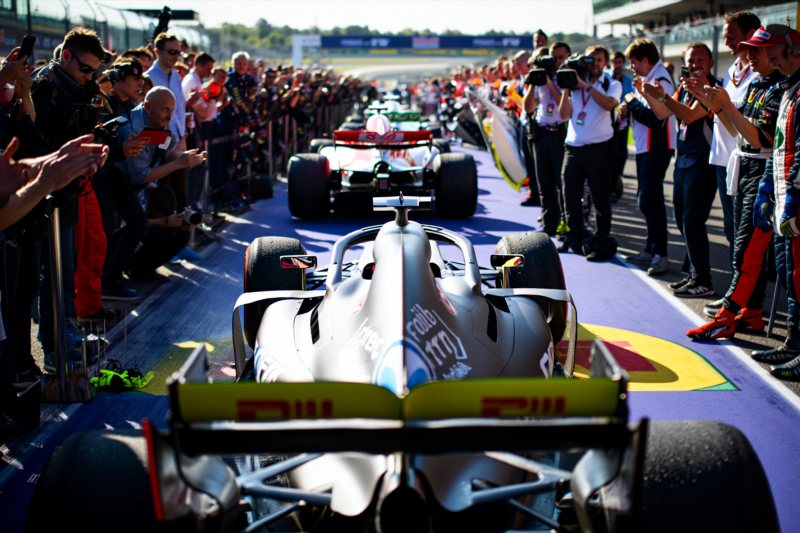
In the fiercely competitive world of Formula 1, consistency often takes precedence over unpredictability. However, the CostCap era—introduced to promote fairness and sustainability—has shaken up traditional power dynamics, giving underdog teams the chance to shine unexpectedly. At YourStop F1, we analyze how these lesser-known teams push boundaries, leveraging innovative strategies to achieve stunning podium finishes. This article delves into the tactical patterns and engineering decisions behind these shock victories, helping fans and analysts grasp what makes underdog success possible today.
The Impact of the CostCap on Strategy and Performance
How CostCap Reshapes Team Dynamics
The introduction of the Financial Regulations Cap (CostCap) has leveled the playing field but also heightened strategic complexity. Teams now must:
- Optimize resource allocation
- Prioritize key upgrades
- Innovate within budget
Lesser-known teams often excel in exploiting these nuances, turning regulatory constraints into competitive advantages by focusing on efficiency rather than sheer budget.
Shifts in Competitive Hierarchies
Historically dominant teams like Mercedes and Red Bull maintain an edge, yet CostCap restrictions have opened avenues for smaller outfits to:
- Capitalize on overlooked upgrade opportunities
- Adapt swiftly to regulation changes
- Focus on race-day strategy over outright power
These shifts create fertile ground for underdog victories, especially when combined with shrewd strategic choices.
Analyzing Strategic Patterns Behind Underdog Podiums
1. Smart Resource Management and Upgrade Prioritization
Lesser-known teams often excel by:
- Concentrating on targeted upgrades for specific circuits
- Prioritizing aerodynamic improvements over engine power
- Using simulation data to maximize the impact of each development
This laser-focused approach enables them to optimize performance in key areas relevant to the track.
2. Tactical Race Strategies and Pitstop Execution
Underdogs leverage concepts such as:
- Adaptive tire management based on real-time telemetry
- Flexible pitstop strategies responding to weather and safety car deployments
- Under-cutting or overcutting rivals through timing precision
These decisions maximize track position and minimize time loss, often catching more established teams off guard.
3. Exploiting External Factors and Circuit Specifics
Cases like the Monaco or Singapore Grand Prix show how delicate conditions—such as rain or safety car phases—favor teams with:
- Flexible setups
- Well-prepared race strategies
- Exceptional driver skill in difficult conditions
Underdog teams tend to capitalize on these factors more effectively, generating surprising results.
Deep Dive Into Notable Examples
| Team | Race | Key Strategic Moves | Outcome |
| AlphaTauri | 2020 Italian GP | Tire choice and precise pit stops | Podium finish |
| Williams | 2021 Russian GP | Aero setup adjustments, weather prediction | Second Place |
| Haas F1 | 2018 Azerbaijan GP | Aggressive tire management, tactical safety car timing | Podium Finish |
These examples reveal that a combination of strategic agility, resourcefulness, and timely decision-making enables underdog teams to punch above their weight.
The Role of Human and Engineering Innovation
Driver Skill and Adaptability
Underdog teams often rely on standout performances from drivers who are:
- Exceptionally adaptable under pressure
- Skilled in managing tire degradation and track conditions
- Capable of extracting maximum performance under tight constraints
Engineering Ingenuity
Innovative engineering solutions, such as:
- Cost-effective aerodynamic tweaks
- Efficient power unit configurations
- Lightweight materials for performance enhancement
are often key factors enabling these remarkable results.
FAQs: Understanding Underdog Success in the CostCap Era
How do smaller teams compete with budget giants?
By focusing on strategic resource allocation, quick adaptability, and optimizing race-day tactics, smaller teams can punch above their weight, especially by exploiting regulation loopholes or external conditions.
Are there specific circuits where underdogs excel?
Yes, circuits with unpredictable weather, frequent safety car periods, or challenging layouts (like Monaco or Turkey) tend to level the playing field, providing opportunities for underdog breakthroughs.
Can underdog victories be sustained over the season?
While rarely consistent, strategic innovation and resourcefulness can lead to multiple surprising results, especially if regulation changes favor certain team philosophies or driver skills.
In the CostCap era, underdog teams are no longer just long shots—they are becoming strategic contenders. Their success hinges on intelligent resource management, innovative engineering, and adaptive race tactics. As YourStop F1 continues to analyze these trends through detailed telemetry insights and storyline narratives, fans can gain a deeper appreciation of how lesser-known teams leverage precision strategies to achieve astonishing podiums. Keep watching this space—because in Formula 1, underdogs are proving they can battle with giants under the tight constraints of the CostCap.
Ready to deepen your understanding of F1 strategy? Subscribe to YourStop F1 for expert analysis, telemetry insights, and exclusive post-race debriefs. Stay ahead, and see what makes winners in this new era of racing.