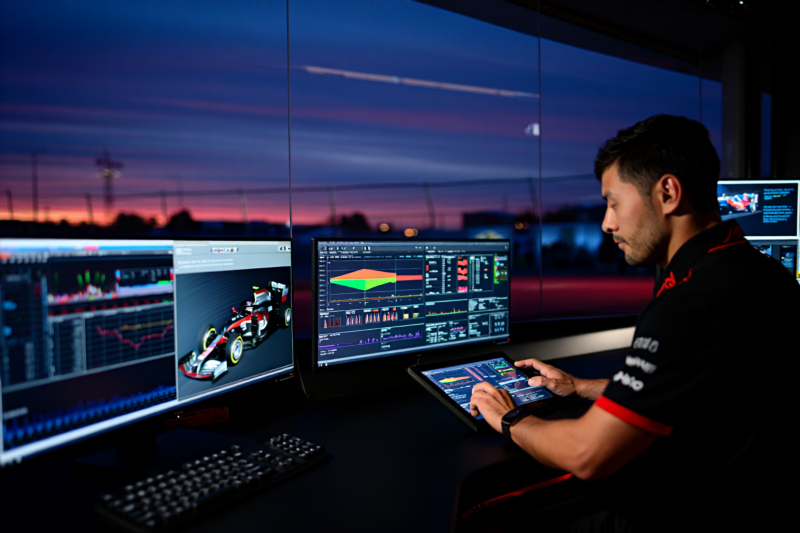
Unlocking Faster, Smarter F1 Data Analysis with Upgrades
In the high-stakes world of Formula 1, precision is everything—from driver skill to engineering decisions. At YourStop F1, we understand that effective data analysis is paramount for uncovering race insights and predicting outcomes. One crucial aspect that often determines the fidelity of your analysis is the *grid correlation setup.* Upgrades to your correlation configuration on Windows systems can significantly optimize your workflow, providing faster, more accurate results. This article explores how recent upgrade strategies and system development trends can elevate your F1 data analysis capabilities.
Why Upgrading Your Grid Correlation System Matters
Enhancing Data Accuracy and Consistency
Grid correlation involves aligning multiple data sources—telemetry, lap times, tire behavior, and weather data—to generate a coherent race picture. Outdated or improperly configured correlation setups can lead to data mismatches, misinterpreting driver performance, and losing valuable time in analysis.
Streamlining Workflow Efficiency
Upgrades can reduce processing delays, allowing analysts to focus on critical insights rather than troubleshooting system issues. Faster correlation results mean more timely predictions and strategic recommendations.
Supporting Complex Development Trends
As F1 teams introduce new upgrade strategies—such as innovative aerodynamics or power unit enhancements—your correlation setup must adapt. Modern upgrades enable seamless integration of these evolving data streams, ensuring your analysis keeps pace with the sport’s rapid development.
Latest Upgrade Strategies for Correlation Configuration on Windows
1. Hardware Optimization
a. Upgrading Storage Solutions
- Switching to SSDs for faster data read/write speeds reduces latency during data processing.
b. Increasing RAM Capacity
- More memory allows for smoother handling of large telemetry datasets, essential during qualifying sessions or race simulations.
2. Software Enhancements
a. Utilizing Advanced Data Fusion Tools
- Implement tools that support multi-source data synchronization, such as MATLAB, Pi Toolbox, or custom scripts.
b. Optimizing Correlation Algorithms
- Employ machine learning-based algorithms capable of identifying and correcting data anomalies in real-time.
3. System Configuration Best Practices
| Practices | Benefits |
| Regularly update Windows and related drivers | Ensures compatibility and stability |
| Allocate dedicated processing cores to correlation tasks | Improves processing speed |
| Enable hardware acceleration where possible | Maximizes system performance |
Exploring Development Trends to Boost Performance
Automated Data Calibration and Validation
Modern systems incorporate automation to calibrate telemetry data, detect inconsistencies, and validate accuracy without manual intervention, saving analysis time and reducing errors.
Cloud Computing and Distributed Processing
Leveraging cloud platforms can offload demanding correlation tasks, enabling real-time analysis even with complex datasets—crucial during race weekends for strategic decisions.
Integration of AI and Machine Learning
AI-driven tools can identify subtle correlations across datasets, uncover hidden performance trends, and predict potential upgrades or regulation impacts, giving analysts a competitive edge.
How to Maximize Your Correlation Setup Efficiency
- Conduct Regular System Audits: Periodically check hardware and software configurations to prevent bottlenecks.
- Stay Updated with Industry Trends: Follow F1 technical developments to anticipate data integration needs.
- Invest in Training and Expertise: Ensure your team is skilled in the latest data fusion techniques and system upgrades.
- Test Upgrades in Controlled Environments: Before race day, simulate scenarios to validate upgrades and configurations.
Final Thoughts: Driving Smarter with Upgrades and Trends
Optimizing your grid correlation setup on Windows by implementing the latest upgrades and staying abreast of development trends can dramatically improve your F1 analysis precision. Faster, more reliable data processing empowers fans and analysts alike, transforming raw telemetry into compelling narratives about engineering ingenuity and driver performance.
Frequently Asked Questions (FAQs)
Q1: How often should I update my correlation system hardware and software?
A: Ideally, review your setup quarterly or before major race events to incorporate new upgrades, ensuring peak performance.
Q2: Are cloud-based solutions suitable for F1 data analysis?
A: Yes. Cloud platforms offer scalable processing power, which is especially beneficial during intense race weekends or when analyzing large datasets.
Q3: What role does AI play in modern correlation setups?
A: AI helps automate calibration, identify complex data patterns, and generate predictive insights, significantly enhancing analysis depth.
Q4: Can upgrading my hardware improve data accuracy?
A: While hardware upgrades improve processing speed and stability, accuracy depends heavily on calibration and synchronization protocols; both are essential.
Take Action Now
To stay ahead in F1 analysis, invest in the latest correlation upgrade strategies for your Windows system. Embrace automation, hardware improvements, and cutting-edge development trends—transform your data workflow, and gain the strategic advantage that smart system upgrades can deliver.
Contact us today for tailored recommendations on upgrading your grid correlation setup and integrating emerging trends to elevate your race analysis performance.