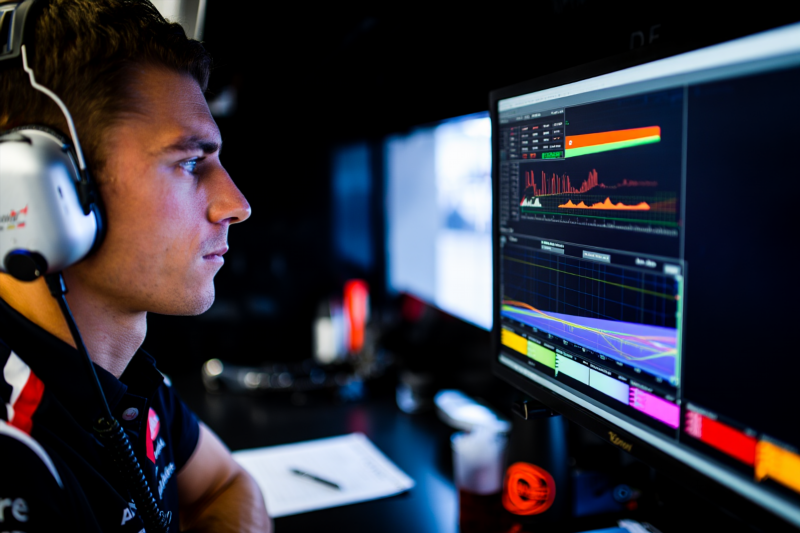
Unlock the Power of Data for an Enhanced F1 Experience
In the fast-paced world of Formula 1, precision and insight are everything. Whether you’re a dedicated fan, an aspiring analyst, or a seasoned commentator, access to reliable and comprehensive data sources can elevate your understanding of the sport. The YourStop F1 Fan Toolkit 202526 is designed to assist you in deciphering complex performance metrics, track upgrades, tire behavior, and strategic decisions across every Grand Prix.
But what are the best data sources to fuel your analysis? This guide explores top platforms, databases, and tools that will empower your insights and give you an edge—transforming raw data into compelling storylines, smarter predictions, and richer race comprehension.
Why Accurate Data Matters in Formula 1 Analysis
F1 is no longer just about raw speed; it is a high-precision system of engineering, human performance, and strategy. To decode the sport’s intricacies—like qualifying pace fluctuations, pitstop strategies, or weather’s influence—you need:
- Reliable, real-time data for immediate insights.
- Historical datasets for trend analysis.
- Deep driver and team metrics to uncover strengths, weaknesses, and potential surprises.
- Regulation change trackers to understand their impact on performance.
Using authoritative sources ensures your interpretations are accurate, your predictions intelligent, and your storytelling compelling.
Top Data Sources for F1 Analysis and Insights
Below is a curated list of the most valuable platforms and datasets that can transform your F1 analysis within the YourStop F1 Fan Toolkit:
| Data Source | Purpose & Key Features | Ideal For |
| Official Formula 1 Data Portal (F1.com/Data) | Provides official timing sheets, telemetry, session reports, and official race statistics. | Accurate, authoritative data for live analysis and race summaries. |
| Ergast F1 API | Open-source API offering historical race data, driver stats, lap times, and qualifying results from 1950 onwards. | Trend analysis, historical performance benchmarking. |
| Motorsport Stats & Racing-Reference | Extensive motor racing results, lap times, weather conditions, and team rankings. | Contextual data for comprehensive race analysis. |
| Delta Timing & Telemetry Providers (e.g., AWS, Google Cloud Data) | Real-time telemetry data streams, tire degradation metrics, and upgrade tracking. | In-depth driver performance and technical analysis. |
| Technical & Engineering Reports (Team Publications, FIA Reports) | Insights into upgrades, regulation changes, and strategic decisions. | Understanding the technical side influencing race outcomes. |
| Tire Data & Behavior Analytics (Pirelli, Michelin reports) | Tire degradation patterns, compound behaviors, and wear simulations. | Optimizing strategies and predicting performance shifts. |
| Weather Data APIs (OpenWeatherMap, Weather.com APIs) | Live and historical weather data impacting race conditions. | Strategic planning, predicting weather influence. |
| Social Media & Fan Insights (Twitter, Reddit’s r/F1) | Real-time fan reactions, driver insights, and unofficial telemetry leaks. | Community-driven perspectives complementing official data. |
How to Leverage These Data Sources Effectively
1. Combine Multiple Datasets for a Holistic View
Using data from diverse sources enriches your analyses. For example, pairing official telemetry with weather data can reveal how conditions impact tire wear or driver performance.
2. Track Upgrades and Regulation Impact
Monitor technical reports alongside on-track performance metrics to understand how upgrades or new regulations influence race outcomes.
3. Use Historical Data for Smarter Predictions
Leverage databases like Ergast API to identify patterns or season-long trends—such as qualifying consistency, tire strategies, or driver endurance.
4. Incorporate Real-Time Telemetry for Immediate Insights
Real-time telemetry streams enable live commentary or strategic decisions—crucial for fantasy league players or commentators.
Frequently Asked Questions
How can I access live F1 telemetry data?
Most official channels, like the F1 Data Portal or authorized telemetry providers, require subscriptions or partnerships. For hobbyist analysis, platforms like Racing-Reference and community projects may offer limited real-time data.
Are there free data sources suitable for in-depth analysis?
Yes, open-source APIs like Ergast provide extensive historical data at no cost. Community platforms and public APIs also offer valuable insights, though they might lack real-time specifics.
How do I ensure data accuracy?
Always verify data against official sources like the FIA or F1’s official website. Cross-reference multiple datasets to identify inconsistencies.
Can I automate my analysis using these data sources?
Absolutely. Many APIs offer automation capabilities through scripts or integrations, allowing continuous updates and real-time insights for your analysis.
Elevate Your F1 Analysis with Smarter Data
The YourStop F1 Fan Toolkit 202526 serves as a gateway to the most comprehensive and insightful data sources in F1. By harnessing these platforms and integrating their data within your workflow, you unlock a deeper understanding of race strategies, driver performance, and technical innovations.
Explore now—utilize these top data sources to transform raw numbers into captivating stories, sharper predictions, and richer engagement with the world of Formula 1.
Ready to take your F1 analysis to the next level? Dive into these data sources today and experience the thrill of understanding Formula 1 as a finely tuned system of engineering decisions and human performance.